Translate

Pokazywanie postów oznaczonych etykietą Ciesielski Jan Michał. Pokaż wszystkie posty

piątek, 8 stycznia 2021

Paulina Porszke Ensemble - Addaptacja (2020)

Paulina Porszke Ensemble

Paulina Porszke - piano, vocals
Jan Jarecki - piano
Michał Jan Ciesielski - tenor saxophone
Aleksander Kamiński - soprano saxophone
Weronika Kulpa - cello
Filip Arasimowicz - double bass
Maksymilian Kreft - drums


Addaptacja

PRIVATE EDITION 2020

By Adam Baruch

This is the debut album by young Polish Jazz keyboardist / vocalist / composer Paulina Porszke recorded with a seven piece ensemble with second keyboardist Jan Jarecki, saxophonists Aleksander Kamiński and Michał Jan Ciesielski, cellist Weronika Kulpa, bassist Filip Arasimowicz and drummer Maksymilian Kreft. Except for the two saxophonists and the bassist, the rest of the players have no previous recording experience as far as I know. The album presents five original compositions, one in two parts, all composed by Porszke.

From the very onset of the music it becomes immediately apparent that this is a completely original and idiosyncratic piece of music, unlike almost everything that the Polish Jazz scene produced in 2020. Although obviously Jazz oriented, the music is all over the place (in the best meaning of the aphorism), touching on contemporary Classical Music, Free Improvisation, solid melodic themes and at times heartbreaking expressionism and even Romanticism. Such diversity might be a sign of a lack of focus and coherency, but in this case the opposite is true, since although the music is based on cross-genre pollination, it has unifying determination and above all Artistic/aesthetic depth, rarely achievable by such young musicians as Porszke.

The complex and challenging music is spectacularly executed by the ensemble. Although there are many inspiring individual statements herein, it is the ensemble performance that is the true forte of this recording. The individual soli are usually short and concise, obviously purposely so, as the leader/composer wishes to present a specific collective ensemble sound and ambience rather than feature the individual statements. Porszke's use of wordless vocalese deserves a special mention, and is another refreshing facet of the music.

It is great to see that some of the representatives of the new generation of European Jazz realize that Jazz music is no longer a simplistic couple of chords theme, 4/4 rhythmic structure and "let's go" approach. Jazz is becoming more and more Artistic, sophisticated, expressive, intellectual, emotional and above all personal, similar to what one can hear on this album. This music is obviously deeply personal and Porszke uses it as a vehicle to express her innermost experiences, exactly as other true Artists do regardless of what Art Form they utilize to express themselves. It is almost "frightening" to think that if this is Porszke's debut album, what she will come up with next. Personally I can't wait to hear it, but on second thought just take your time young Lady…I keep my fingers crossed!

czwartek, 26 listopada 2020

Paulina Porszke Ensemble - Addaptacja - premiera nowej płyty


Paulina Porszke - instrumenty klawiszowe, wokal
Weronika Kulpa - wiolonczela
Jan Jarecki - instrumenty klawiszowe
Aleksander Kamiński - saksofon sopranowy
Michał Jan Ciesielski - saksofon tenorowy
Filip Arasimowicz - kontrabas
Maksymilian Kreft - perkusja

Formacja Paulina Porszke Ensemble to autorski projekt Pauliny Porszke, który współtworzy grupa utalentowanych trójmiejskich muzyków aktywnie udzielających się w jazzowym i pozajazzowym środowisku muzycznym. Większość z nich stanowią absolwenci gdańskiej Akademii Muzycznej. Zespół powstał na początku roku 2019 i w tym samym czasie rozpoczął przygotowania do wydania debiutanckiego albumu.  Ma już na swoim koncie kilka udanych koncertów, między innymi w ramach Wtorkowego Klubu Jazzowego organizowanego przez katowicki NOSPR. 

Muzyka, którą prezentuje zespół kompozytorki, ma zarazem charakter emocjonalny i konceptualny, na granicy improwizacji jazzowej i muzyki klasycznej. Głos jest w niej traktowany instrumentalnie i w żaden sposób nie góruje nad resztą zespołu. Jak podkreśla liderka, istotne jest dla niej wykorzystanie indywidualności i wyobraźni każdego z członków grupy poprzez pozostawienie im dużej dozy twórczej swobody w ramach otwartej improwizacji. Inspirowana współczesnymi technikami kompozytorskimi, muzyka zespołu odbiega od rozwiązań stereotypowo kojarzonych z jazzem i bliska jest awangardzie. Jednocześnie pomimo współczesnego i poniekąd surowego brzmienia, jest to muzyka melodyjna, posiadająca elementy impresjonistyczne. Debiutancka płyta będzie miała swoją premierę 27 listopada 2020 roku.

Paulina Porszke - kompozytorka, aranżerka, pianistka, wokalistka. Absolwentka gdańskiej Akademii Muzycznej w klasie kompozycji i aranżacji prof. zw. dr hab. Leszka Kułakowskiego. Jest laureatką konkursów pianistycznych i wokalnych. W 2017 roku zdobyła III miejsce oraz Nagrodę Publiczności na X Międzynarodowym Konkursie Kompozytorskim im. Krzysztofa Komedy w Słupsku. Jej kompozycje wpisują się przede wszystkim w estetykę jazzową, autorka nie boi się jednak eksperymentować i swój język muzyczny rozwija dodając np. elementy folku czy muzyki klasycznej. Sam proces tworzenia jest dla niej bardzo ważny i stanowi siłę napędową dla jej muzyki. Poza zamiłowaniem do szeroko pojętej muzyki jazzowej i klasycznej, autorka pisze i komponuje także piosenki soulowe i R'n'B oraz współpracuje z wokalistami, tworząc czy aranżując dla nich utwory.

środa, 22 lipca 2020

Ilona Damięcka/Tomasz Licak Quintet - Pieśni Polskie Vol. 1 (2020)

Ilona Damięcka/Tomasz Licak Quintet

Ilona Damięcka - piano, vocal
Tomasz Licak - tenor saxophone, bass clarinet
Michał Jan Ciesielski - tenor saxophone
Paweł Grzesiuk - double bass
Adam Golicki - drums


Piesni Polskie Vol.1

PRIVATE EDITION

By Adam Baruch

This is the debut album by the Polish Jazz quintet co-led by vocalist/pianist Ilona Damięcka and saxophonist Tomasz Licak, which also includes saxophonist Michał Jan Ciesielski, bassist Paweł Grzesiuk and drummer Adam Golicki. The album presents six songs by Polish Classical composers: Stanisław Moniuszko, Feliks Nowowiejski and Mieczysław Karlowicz, arranged for the quintet by Licak. The music was recorded live at the Radio Gdańsk studio and offers a remarkable sound quality.

The music is an interesting Jazz-Classical Fusion, and although personally I am not a great fun of the original music, composed mostly in the 19th Century, these Jazz arrangements manage to transform it into the Jazz idiom rather successfully. The swinging treatment transforms the original melodies, many of which are based on Polish Folklore, into a much more vigorous environment and the resulting modern mainstream zest serves them well.

The ballads emphasize the typical Polish melancholy, again deeply rooted into Polish Folk music, and those also work out very well in the up-to-date dressing. The closing song on the album gets a much more adventurous treatment, and perhaps points to a direction of the follow up album? The entire transformation process is done with taste and sophistication, which deserves to be praised.

The members of the quintet are all seasoned musicians, which is clearly obvious by the splendid level of the performances herein. The idea of the double saxophone front line is excellent, but sadly although the two saxophonists perform beautifully on their own they do not play together enough, which might have intensified the result. Damięcka plays some wonderful piano soli and her treatment of the original lyrics, which are replaced by her vocalese, is also excellent, albeit somewhat minimalist. The rhythm section swings passionately and carries the tunes forward, as expected from professionals.

Overall this is a superb debut effort and a most enjoyable listening experience, which as the title pledges, is just a first glance of the future plans by the quintet. Passionate performances, great soloing and swinging fluidity - what else can one expect form a mainstream modern Jazz album. Wholeheartedly recommended!

piątek, 22 listopada 2019

Maciej Sadowski Kwadrat - Jazz Dla Zwierząt (2019)

Maciej Sadowski Kwadrat

Dawid Lipka - trumpet
Michał Jan Ciesielski - saxophone
Marcin Gałązka - guitar (4)
Maciej Sadowski - bass
Tomasz Koper - drums

Jazz Dla Zwierząt


EASTRINGS 0001

By Adam Baruch

This is the debut album as a leader by Polish bassist/composer Maciej Sadowski, recorded with his quartet called Kwadrat (square in English, clearly alluding to the quartet), which also includes trumpeter Dawid Lipka, saxophonist Michał Jan Ciesielski and drummer Tomasz Koper. Guitarist Marcin Gałązka guests on one track. The album presents nine original compositions, all by Sadowski.

The music, although melody based, is very original and moves freely across several genres, touching on Rock, Fusion, Groove, mainstream Jazz and even Improvised Music. The compositions are the absolute focus of this album, although the instrumentalists are all extremely effective. Sadowski is an experienced player with an impressive portfolio of recording as a sideman and studio musician and he shines on this album as well. The most fascinating aspect of the music is the central role of the bass and a strong polyrhythmic diversity excellently handled by the drummer. But of course the trumpeter and saxophonist offer impressive soloing all the way through and contribute to the overall success.

Although seemingly an acoustic quartet, there is an extensive use of electronic devices, adding sheets of sound behind the instruments and creating a very impressive and unusual overall sound. One could say that these effects serve as an additional member of the quartet playing the synthesizer. On the track featuring the guitar player his guitar also sounds almost entirely like a synthesizer. The most extraordinary synthesizer effects are associated with the bass, which sounds often like a bass clarinet when playing arco. In short this album offers really innovative approach to playing the instruments, and combined with the superb and unique compositions the overall result is absolutely refreshing.

Overall this is definitely a surprisingly excellent debut album, which deserves a lot of attention and again shows that the new generation of Polish Jazz players possesses unlimited creativity, rarely found elsewhere. Absolutely delightful listening experience - Hats off!

poniedziałek, 20 maja 2019

Quantum Trio – Red Fog (2019)

Quantum Trio

Michał Jan Ciesielski - alto & tenor saxophones
Kamil Zawiślak - piano
Luis Mora Matus - drums

Red Fog

EMME 1909


By Adam Baruch

This is the third album by the Quantum Trio, which consists of Polish saxophonist Michał Jan Ciesielski, pianist Kamil Zawiślak and Chilean drummer Luis Mora Matus. The album presents seven original compositions, two by Ciesielski, one by Zawiślak, three by Matus and one credited to all trio members. The album offers a wonderful sound quality, albeit quite unusual and demanding due to the unorthodox balance between the instruments.

With an average once every two years release schedule the trio managed to established a unique sound and stylistic approach to their music, which stays faithful to melody based compositions, but gradually opens up to distance itself from the Jazz mainstream. This album offers a new, rather dark and somewhat industrial sound, which differs from the two earlier albums but continues the trio's musical direction.

The trio offers a very unusual approach to instrumentation, with a delicate balance between the saxophone, piano and drums, not depending on the usual bass provided harmony and pulse, which might sound pretty weird at the first hearing, but has a lot of charm and intrinsic tension. The drums are given an absolute equal rank within the trio, which is almost never present elsewhere.

As usual the personal performances are all exquisite and offer grace, elegance and sophistication way beyond what one might expect from young Jazz musicians. The complexity, mostly rhythmical, of the music demands a telepathic communication between the trio members, which is found here aplenty. Again, as usual, it is the level of the compositions that makes this music stand out above the average and turns this album into an exciting listening experience.

Overall this is a mature, coherent piece of music by a trio that knows exactly where it is going, which offers splendid ambitious music, which keeps the listener on his toes from start to finish, being definitely one of the most exciting albums so far this year. Well done, again!

środa, 27 marca 2019

Quantum Trio - Red Fog - premiera 29.03.2019


Michał Jan Ciesielski - saksofon altowy i tenorowy
Kamil Zawiślak - fortepian
Luis Mora Matus - perkusja


"Red Fog" to trzeci studyjny album polsko-chillijskiego Quantum Trio. Laureaci Grand Prix festiwalu Jazz Juniors 2017 nagrali go we Włoszech w odosobnieniu w malowniczych okolicach Rzymu. Jest on syntezą dotychczasowego eklektycznego stylu grupy. Tym razem otrzymujemy kompozycje bardzo skupione, pełne energii, ale i głębokiej zadumy. Grupa scaliła swoje dotychczasowe znaki rozpoznawcze, czyli inspiracje muzyką filmową, klasyczną, free-jazzem i muzyką rozrywkową, w nowoczesne i ciężkie jazzowe brzmienie. Tematem przewodnim albumu jest symbolizm natury ludzkiej, to, co podświadome, ukryte i pierwotne, tkwiące w każdym z nas.

Quantum Trio znane jest polskiej publiczności za sprawą albumu "Gravity", wydanego nakładem wytwórni ForTune, który przyniósł im tytuł Debiutu Roku 2015 przyznany przez serwis Polish Jazz. Nietypowy skład, saksofon-fortepian-perkusja, tworzony jest przez polskich muzyków, Michała Jana Ciesielskiego, Kamila Zawiślaka oraz chilijskiego perkusistę Luisa Morę Matusa. 

niedziela, 23 grudnia 2018

Dominik Kisiel Exploration Quartet – Exploration (2018)

Dominik Kisiel Exploration Quartet

Dominik Kisiel - piano
Michał Jan Ciesielski - tenor & soprano saxophones
Piotr Szajrych - double bass
Antoni Wojnar - drums

Exploration


ALPAKA 003

By Adam Baruch

This is the debut album by the young Polish Jazz pianist/composer Dominik Kisiel and his quartet called Exploration Quartet, which also includes saxophonist Michał Jan Ciesielski, bassist Piotr Szajrych and drummer Antoni Wojnar. The album presents eight original compositions, all by Kisiel.

The music is a melody based modern Jazz, with typical Polish lyrical inclinations, and melancholic tendencies, which the young Polish Jazz generation seems to have adopted as their favorite modus operandi. The beautiful themes are all wonderfully crafted and serve as ideal vehicles for the musicians to express their improvisational abilities. Some more energetic and more open compositions are also included, to balance the low-key material, and those are equally impressive.

Both Kisiel and Ciesielski are able to articulate the melodic motifs and the improvised parts formidably, amicably supported by the rhythm section every step of the way. Together the quartet is able to create a coherent and well balanced ensemble sound, which does not reflect any lack of experience in spite of the of the musicians' young age.

Overall this is a very impressive debut, which emphasizes both Kisiel's compositional skills and his work as an instrumentalist, superbly supported by his quartet members. Since the album's release was postponed for technical reasons (it was recorded in 2016) and Kisiel and the quartet also released this year (2018) a live album, with different but no less excellent material, this year is certainly a remarkable jumpstart of his future career, which is definitely worth following. Well done indeed!

środa, 17 października 2018

Jaskułke Sextet - Komeda Recomposed (2018)

Jaskułke Sextet

Sławek Jaskułke - piano
Emil Miszk - trumpet, flugelhorn
Piotr Chęcki - tenor saxophone
Michał Jan Ciesielski - alto saxophone
Piotr Kułakowski - double bass
Roman Ślefarski - drums

Komeda Recomposed


PRIVATE EDITION 2018

By Maciej Krawiec

Najnowszy krążek pianisty Sławka Jaskułke to kreacja inspirowana twórczością Krzysztofa Komedy. Nie jest to jednak kolejne przedsięwzięcie biorące na warsztat oryginalne kompozycje autora legendarnego „Astigmatic”, ale zawiera ono utwory nowe, pod różnymi względami do dorobku Komedy nawiązujące.

Chodzi o pewne motywy melodyczne, akcentowanie fraz, przetwarzane pasaże czy aurę utworów, które natychmiast odsyłają do klasycznych tematów patrona albumu „Komeda Recomposed”. Zasługą pianisty jest wykazanie, że na pewne konstrukcje reaguje się spontanicznym skojarzeniem z pomysłami Komedy – choć przecież w bardzo inteligentny nieraz sposób, zwykle nie dosłowny, Jaskułke wplótł je w swoją nową muzykę.

Owa inspiracja „Crazy Girl”, „Niekochaną” czy „Svantetic” nie sprowadza się jednak do interesującego dla jazzfana, wyrafinowanego mrugnięcia okiem. Jaskułke wywodzi bowiem z ogromu pomysłów Komedy złożoną architekturę własnych utworów, ciekawie modyfikując ich dramaturgię, natężenie rytmiczne, fakturę brzmień. Wprawdzie wplata zamyślone, minimalistyczne tony znane ze swych solowych albumów „Sea” bądź „Senne”, czy proponuje kolektywny groove przywodzący płytę jego tria „On”, ale środków wyrazu jest tutaj znacznie więcej. Dzięki temu o mniej udanych sekwencjach – np. drugiej części „Nastic” czy konwencjonalnym „Szaro” – pozwalają zapomnieć inne, iście wspaniałe – choćby wprowadzający duet pianisty z trębaczem Emilem Miszkiem w „Kato” czy złowrogi motyw w dolnym rejestrze w „Oxis”.

Na „Komeda Recomposed” dominują szlachetne, poważne formy, pokazujące zarówno wykonawcze, jak i improwizatorskie zalety dobrego zespołu Sławka Jaskułke. Szczególnie podoba mi się saksofonowy tandem Chęcki-Ciesielski, których dyskusja w „Oxis” to jeden z najlepszych momentów albumu. Tytułowa „rekompozycja” muzyki Komedy udała się – dzięki sekstetowi słyszymy ją w nowym, intrygującym kontekście, choć nie zapominajmy, że to dzięki Komedzie ukazuje nam się w ciekawym wydaniu Jaskułke.

piątek, 5 października 2018

Dominik Kisiel Exploration Quartet – Live At Radio Katowice (2018)

Dominik Kisiel Exploration Quartet

Dominik Kisiel - piano
Michał Jan Ciesielski - saxophones
Piotr Szajrych - double bass
Adam Golicki - drums

Live At Radio Katowice


PRK 0137

By Adam Baruch

This is a live recording by young Polish Jazz pianist/composer Dominik Kisiel and his quartet called Exploration Quartet, which also includes saxophonist Michał Jan Ciesielski, bassist Piotr Szajrych and drummer Adam Golicki. The album presents seven original compositions, four composed by Kisiel, two by Ciesielski and one by Golicki.

The music is typical modern young Polish Jazz, based on excellent melody based compositions and superbly performed by these young musicians, who never cease to amaze how well musically advanced they are despite their young age. It is worth to mention that the material present on this album is completely different from the material included on the quartet's debut solo album recently released on Alpaka Records, which proves the prolific compositional capacity of the quartet members.

The individual performances are all excellent and the concert setting allows the musicians to stretch out and play long solos without being concerned by time limitation often present in the recording studio. As a result three of the tunes performed here last for over ten minutes in duration. Kisiel skillfully builds up his solos gradually, with excellent usage of dynamics and harmonics, adorned with his technical skill, which is spotless. Ciesielski also stretches out wonderfully, playing with confidence and beautiful sense of lyricism, at all times supported amicably by Kisiel.

The rhythm section does an excellent job as well, with Golicki showing his maturity and experience gained over the last few years. Szajrych keeps mostly to the basics, as he seems to be the most inexperienced player in the quartet, but his performance is stable and accurate, exactly what one would expected from a solid bassist in a quartet. Overall this is an excellent effort by the young generation of Polish Jazz players, full of great tunes and superb performances, which is a true fun to listen to and admire their talents and abilities. Definitely well done!

poniedziałek, 9 lipca 2018

Jaskułke Sextet z premierą płyty "Komeda Recomposed"


Sławek Jaskułke - fortepian, pianino
Emil Miszk - trąbka, flugehorn
Piotr Chęcki - saksofon tenorowy
Michał Jan Ciesielski - saksofon altowy
Piotr Kułakowski - kontrabas
Roman Ślefarski - perkusja

Projekt "Komeda Recomposed" powstał w 2016 roku z inicjatywy festiwalu Letnia Akademia Jazzu w Łodzi. W 50-tą rocznicę wydania płyty "Astigmatic" Krzysztofa Komedy, Sławek Jaskułke został poproszony o skomponowanie muzyki, dla której punktem wyjścia była twórczość Komedy.

Sławek Jaskułke: Projekt Komeda Recomposed i muzyka napisana przeze mnie na sextet jazzowy, jest interpretacją i odniesieniem do twórczości Krzysztofa Komedy. Zaglądanie wstecz w muzyce jest bardzo cenne, bo dzięki temu poznajemy język starych mistrzów. To niezwykle pomocne w kształtowaniu swojego stylu. Dlatego z radością przyjąłem propozycję napisania interpretacji muzyki Komedy i przyznam, że praca nad jego melodyką, formą, harmonią, całościowym spojrzeniem była inspirująca.

Komponując swój sextet Sławek Jaskułke myślał nie tylko o zawartości merytorycznej i estetyce płyty Astigmatic, ale także o okolicznościach, w jakich ona powstała.

Sławek Jaskułke: Krzysztof Komeda do nagrania tego, przełomowego dla polskiego jazzu, albumu zaprosił m.in. młodziutkich Zbyszka Namysłowskiego i Tomka Stańkę, którzy dziś obrośli własną legendą. Idąc tym tropem postawiłem na nową, młodą falę polskiego jazzu: Piotra Chęckiego i Michała Ciesielskiego na saksofonach oraz Emila Miszka na trąbce przy wsparciu bardziej doświadczonych Romana Ślefarskiego na bębnach i Piotra Kułakowskiego na kontrabasie.

Od pierwszej prezentacji projektu w Łodzi do dziś trójmiejscy muzycy prezentowali "Komeda Recomposed" wielokrotnie, m.in. na festiwalach Jazz Jantar, Królewskie Arkady Sztuki czy w sali kameralnej Narodowej Orkiestry Symfonicznej Polskiego Radia, za każdym razem spotykając się z zachwytem i aplauzem publiczności. Nagrania zrealizowano w najlepszym koncertowym studiu nagraniowym w tej części Europy - studiu im. Witolda Lutosławskiego w Warszawie. Dla zachowania spójności ze sposobem realizacji nagrań dokonywanych przez Krzysztofa Komedę płyta została zarejestrowana w systemie na tzw. setkę. To znaczy rejestrując wszystkie instrumenty razem, bez oddzielnego dogrywania poszczególnych partii. W ten sposób wypracowano koncertowe brzmienie, a dźwięk uzyskał więcej powietrza i przestrzeni. Album ukaże się równolegle w Polsce i Japonii, gdzie od 2015 roku Sławek Jaskułke sukcesywnie zdobywa rynek kolejnymi koncertami i publikacjami.


Sławek Jaskułke od wielu lat pracuje nad uzyskaniem unikalnego, jedynego w swoim rodzaju brzmienia – zarówno w zakresie komponowania muzyki, jak i sposobów rejestracji dźwięku oraz doboru instrumentów. Przełomem w tej pracy była wydana w 2014 roku płyta "SEA", nagrana w pracowni, na pianinie z moderatorem. Brzmienie zachwyciło zarówno samego Sławka, jak i jego fanów, a ostatecznym potwierdzeniem była przyznana przez audiofilski magazyn "High Fidelity" w 2015 roku nagroda właśnie za brzmienie albumu.

Od tej pory Sławek nagrywał i koncertował przede wszystkim na pianinach. Ich wybór podyktowany był dotychczasowym brakiem możliwości instalowania moderatora na fortepianie, a to właśnie moderator nadaje owo charakterystyczne brzmienie. Kolejna płyta, "Senne", została zarejestrowana na szwedzkim pianinie marki Billberg – instrumencie wyszukanym oraz specjalnie zakupionym do celów nagrania.

Wiosną 2018 roku inżynier Tadeusz Gilert opracował dla Sławka Jaskułke specjalny system montowania moderatora do fortepianu. Możliwość instalowania go na dowolnym instrumencie (fortepianie) otworzył zupełnie nowe możliwości. Efektów ich wykorzystania mogą już słuchać Japończycy na płycie "Senne Part II", której premiera miała miejsce 12 czerwca tego roku w Tokio. Płyta ta została zarejestrowana na instrumencie marki Malmsjo z 1935 roku, już z użyciem systemu moderatorów inż. Gilerta.

piątek, 26 maja 2017

Quantum Trio – Duality (Particles & Waves) (2017)

Quantum Trio (Particles & Waves)
 
Michał Jan Ciesielski - tenor & soprano ssaxophones
Kamil Zawiślak - piano, rhodes, keyboards
Luis Mora Matus - drums
Juliana Martina - vocals

Duality


NGM 0001

By Adam Baruch

This is the second album by Quantum Trio, which consists of Polish saxophonist Michał Jan Ciesielski, keyboardist Kamil Zawiślak and Chilean drummer Luis Mora Matus. The double CD album presents fifteen original compositions, nine composed or co-composed by Ciesielski, three by Zawiślak and nine by Matus.

Musically the album continues from where the debut left off, presenting a series of excellent melodic compositions, executed with vigor and obvious technical proficiency. The lack of bass does not hinder the trio's Swing and ability to use odd meters and switch tempi unpredictably, which of course is great fun to listen to. The music is more extrovert and expressive than on the debut, but the basic concept is still there, this time significantly developed and expanded. The use of overdubs on some tracks creates a much denser and complex overall aural effect, also expanding upon the basic concept of the trio.

Although the music is beautifully executed, it is the superb compositions that turn this album into a first class musical experience. Full of great harmonies and lyrical melody lines the music is captivating and flows with a remarkable coherence and elegance. The World Music motifs are much more significant on this album, and they again add a completely new dimension to the music, enabling the exploration of new sonic vistas.

Overall this is a great album, which can be enjoyed by a wide range of listeners, including even those who do not listen to Jazz on a regular basis, as it encompasses many universal musical devices, sub-consciously understandable to a wide range of music loving listeners. It takes several listening sessions to explore the full depth of this impressive and large volume of music that this album offers, but the effort is certainly highly rewarding. It is great to see that the trio is able to pass the "second album" trial with flying colors, and of course they join the list of ensembles on the "worth following" list with distinction. Well done indeed!

niedziela, 12 marca 2017

Quantum Trio - Duality (Particles & Waves) - premiera 16.03.2017

Quantum Trio

Michał Jan Ciesielski - tenor & soprano saxophones
Kamil Zawiślak - grand piano, rhodes, keys
Luis Mora Matus - drums
Juliana Martina - vocal

Duality (Particles & Waves)


Nei Gong Music NGM 0001

W ramach Festiwalu Jazz Jantar 16 marca 2017 na scenie gdańskiego Klubu ŻAK odbędzie się premiera najnowszego albumu zespołu Quantum Trio "Duality (Particles & Waves)".

Koncerty odbędą się także:

18 marca - Jazz Cafe POSK, Londyn
19 marca - Miłość, Warszawa
22 marca - Chicago Jazz, Kraków

"Duality" to koncept, w którym muzyka przechodzi przez świat cząsteczek ("Particles") oraz fal ("Waves"). Particles - świat namacalny, to tradycja, kontynuacja drogi z pierwszej płyty, brzmienia akustycznego, gdzie obok spokojnych ballad, górę biorą polirytmiczne, energiczne kompozycje, a puls staje się myślą przewodnią, łącznikiem z drugą stroną albumu. Waves - świat alternatywny, rzeczywistość, w której materia i energia wzajemnie się przenikają. Kompozycje wymykające się jednoznacznej definicji, inspirowane punkiem, ambientem, muzyką elektroniczną czy przywołującą dokonania post-rockowe.

Nagranie zostało zarejestrowane w październiku 2016 roku w E-Sound Studio w Weesp pod Amsterdamem w Holandii przez Michała Ciesielskiego. Płyta została wyprodukowana i zmiksowana przez Michała Ciesielskiego i Kamila Zawiślaka w Nei Gong Studio w Gdańsku. Masteringu płyty dokonał Marek Romanowski. Autorem okładki jest Jarosław Świerczek. Zdjęcia wykonała Mira Sałyga.Płyta została wydana nakładem wytwórni Nei Gong Music.

Quantum Trio znane jest polskiej publiczności za sprawą albumu "Gravity", wydanego nakładem wytwórni ForTune, który przyniósł im tytuł "Debiutu Roku 2015" przyznany przez portal Polish Jazz. Nietypowy skład, saksofon-fortepian-perkusja tworzony jest przez polskich muzyków, Michała Jana Ciesielskiego, Kamila Zawiślaka oraz chilijskiego perkusistę Luisa Morę Matusa. Na albumie pojawia się również gość - pochodząca z Kolumbii wokalistka Juliana Martina.

czwartek, 26 listopada 2015

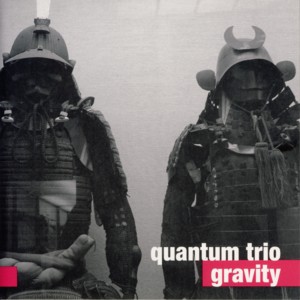
Quantum Trio – Gravity (2015)

Quantum Trio

Michał Jan Ciesielski - tenor & soprano saxophones
Kamil Zawiślak - piano
Luis Mora Matus - drums

Gravity

FOR TUNE 0054


By Adam Baruch

This is the debut album by the Quantum Trio, which consists of Polish saxophonist Michał Jan Ciesielski and pianist Kamil Zawiślak and Chilean drummer Luis Mora Matus. It presents ten original compositions, three of which were composed by Ciesielski, one by Zawiślak, four by Matus and the remaining two by all three members of the trio.

The music is mostly serene, intimate and reflexive, with strong and beautiful melodic themes and a distinct Classical influence. The chamber ambience is also emphasized by the lack of bass, which usually supplies the Jazz pulsation, not present here. Nevertheless this is undoubtedly a Jazz album, although the music is very elegant and almost lofty, somewhat similar to the Scandinavian touch. Contrary to what the trio publishes in their promo materials about their music, all of the music herein is perfectly composed and arranged and shows no traces of spontaneous composition/improvisation.

The personal contributions by all three trio members are without reproach; Ciesielski plays delicate, long phrases with beautiful intonation and great sensitivity, Zawiślak masterly accompanies the saxophone parts and plays elegant solo parts and finally Matus ornaments the music with his rich palette of percussive sounds, showing great imagination and a lot of skill. Overall this is a very enjoyable, delicate and aesthetically pleasing album, and a most impressive debut outing. Hopefully this is a sign of things to come. Definitely recommended!

Zobacz też: