Translate

niedziela, 29 listopada 2015

Maciek Pysz – A Journey (2015)

Maciek Pysz

Maciek Pysz - guitar
Daniele di Bonaventura - bandoneon, piano
Yuri Goloubev - double bass
Asaf Sirkis - drums

A Journey


DOT TIME 9044

By Adam Baruch

This is the second album by Polish (resident in London) guitarist/composer Maciek Pysz, recorded in a quartet setting with celebrated Italian bandoneónist/pianist Daniele di Bonaventura, Russian bassist Yuri Goloubev and Israeli drummer Asaf Sirkis (also resident in London). The album presents twelve compositions, ten of which are originals by Pysz, one is an original co-composed with Italian guitarist Gianluca Corona and one is composed by Ralph Towner. The music was recorded at the wonderful Artesuono Studio in Italy and engineered by Stefano Amerio with spectacular sound quality.

Pysz continues the path already established on his debut album, which presents him as a superb composer and a virtuoso guitar player, which in spite of his young age (born 1982) propels him directly to the very top of contemporary Jazz-World Fusion musicians. The beauty and depth of the compositions presented on this album as well as their extraordinary execution are simply marvelous.

The music, although obviously deeply personal, is at the same time completely universal, crossing melodic and rhythmic boundaries with ease and amalgamating the absolute best of the diverse Musical cultures from all over the world. Pysz has an ability to weave exquisite melodies, which in spite their sweetness manage to avoid completely even the slightest suspicion of cliché and kitsch. This is a very rare gift and he uses it exceptionally well.

The three musicians that accompany Pysz on his journey are all top professionals: di Bonaventura provides the perfect harmonic and melodic counterpart to the guitar parts and his melancholy and delicate lyricism are simply ideally suited to this music, Goloubev is one of the most sophisticated bassists in Europe, his sound is absolutely unique and his emotional intelligence is incomparable, and finally Sirkis, who grew "under my wings" at the early stages of his career, turned into one of the Master drummers of our times, playing very subtly on this album, but his sole solo spot here is such a classic of the trade that it should be studied by all drummers.

There is no doubt that this is an amazing album, full of musical beauty, aesthetic pleasure and extraordinary musicianship, an album that has only a very few equals among the numerous other albums released on a world scale. Blessed by the talent and the friendship of his fellow musicians Pysz gives the world a brilliant gift of music, which should leave not a soul untouched. Essential listening for Body and Soul!

sobota, 28 listopada 2015

Kazimierz Jonkisz Energy – 6 Hours With Ronnie (2015)

Kazimierz Jonkisz Energy

Borys Janczarski - tenor saxophone
Tomasz Grzegorski - tenor saxophone
Ronnie Cuber - baritone saxophone
Robert Murakowski - trumpet
Jan Smoczyński - piano
Wojciech Pulcyn - double bass
Kazimierz Jonkisz - drums

6 Hours With Ronnie

FOR TUNE 0070

By Adam Baruch

This album documents the meeting between veteran Polish Jazz drummer Kazimierz Jonkisz and his ensemble Energy with legendary American baritone saxophonist Ronnie Cuber. The following musicians also take part in the recording: saxophonists Borys Janczarski and Tomasz Grzegorski, trumpeter Robert Murakowski, pianist Jan Smoczyński and bassist Wojciech Pulcyn. The album was recorded at the fabulous Studio Tokarnia, owned by Smoczyński, who also engineered and mastered the album, with the usual spectacular sonic result. The music includes six compositions, two of which are originals by Pulcyn, one is by Cuber and the remaining three are standards.

The music is, as expected, straightforward mainstream Jazz, with the two Pulcyn tunes being by far the most refreshing pieces on this album. It is executed without a flaw by all the participants, although the session seems to be lacking any high energy or particular joy of life, which is typically present on the best Jazz recordings.

Overall this is a nice, well played and well recorded mainstream Jazz album, which is no different from thousands of similar albums recorded before. As such it contributes nothing to the Jazz milieu and with all due respect is simply banal. Smoczyński plays some great introvert piano parts and Pulcyn, as always, keeps time beautifully, but other than that it's all déjà vu. Of course since baritone saxophone is not heard very often, this is a good opportunity to enjoy this beautiful instrument being played well.

czwartek, 26 listopada 2015

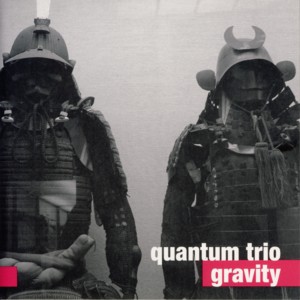
Quantum Trio – Gravity (2015)

Quantum Trio

Michał Jan Ciesielski - tenor & soprano saxophones
Kamil Zawiślak - piano
Luis Mora Matus - drums

Gravity

FOR TUNE 0054


By Adam Baruch

This is the debut album by the Quantum Trio, which consists of Polish saxophonist Michał Jan Ciesielski and pianist Kamil Zawiślak and Chilean drummer Luis Mora Matus. It presents ten original compositions, three of which were composed by Ciesielski, one by Zawiślak, four by Matus and the remaining two by all three members of the trio.

The music is mostly serene, intimate and reflexive, with strong and beautiful melodic themes and a distinct Classical influence. The chamber ambience is also emphasized by the lack of bass, which usually supplies the Jazz pulsation, not present here. Nevertheless this is undoubtedly a Jazz album, although the music is very elegant and almost lofty, somewhat similar to the Scandinavian touch. Contrary to what the trio publishes in their promo materials about their music, all of the music herein is perfectly composed and arranged and shows no traces of spontaneous composition/improvisation.

The personal contributions by all three trio members are without reproach; Ciesielski plays delicate, long phrases with beautiful intonation and great sensitivity, Zawiślak masterly accompanies the saxophone parts and plays elegant solo parts and finally Matus ornaments the music with his rich palette of percussive sounds, showing great imagination and a lot of skill. Overall this is a very enjoyable, delicate and aesthetically pleasing album, and a most impressive debut outing. Hopefully this is a sign of things to come. Definitely recommended!

środa, 25 listopada 2015

Nika Lubowicz – Nika's Dream (2015)

Nika Lubowicz

Nika Lubowicz - vocals
Kuba Lubowicz - keyboards
Dawid Lubowicz - violin, mandolin
Krzysztof Lenczowski - cello
Marcin Murawski - bass
Marcin Ułanowski - drums
Bogusz Wekka - percussion
Artur Gierczak - guitar
Piotr Schmidt - trumpet
Andrzej Jagodziński - piano

Nika's Dream

FOR TUNE 0065

By Adam Baruch

This is the debut album by Polish Jazz vocalist/composer Nika Lubowicz, who is accompanied by a very impressive group of musicians, which includes her siblings: violinist Dawid Lubowicz (Atom String Quartet) and keyboardist Jakub Lubowicz, cellist Krzysztof Lenczowski (also Atom String Quartet), bassist Marcin Murawski, drummer Marcin Ułanowski, percussionist Bogusz Wekka, guitarist Artur Gierczak and trumpeter Piotr Schmidt. Veteran pianist Andrzej Jagodziński guests on a couple of tracks. The album presents nine tracks, three of which are standards, two are by Dawid Lubowicz, another two by Krzysztof Lenczowski and yet another two by Nika Lubowicz herself. All songs feature English lyrics except for the last track which has lyrics in Polish.

From the very first notes of this album it's plainly evident that this is no ordinary vocal Jazz album. The arrangements, which in most cases feature either the violin or the cello up front alongside the vocal parts, replace the usual "vocals with piano trio" setting. The arrangements also include other unusual lineups, keeping the listener on his toes at all times. The overall atmosphere of this album is all about the essence of music, freely crossing genre boundaries, comfortably and elegantly touching upon mainstream Jazz, ethnic music, Pop and Soul with the same artistically predetermined frivolity. I even have to agree with all the compliments listed in the album's liner notes authored by Krzysztof Herdzin, which happens extremely rarely.

Nika Lubowicz uses her vocal abilities wisely and intelligently, switching between lyrics and vocalese with grace. Her vocalese parts are in fact way more impressive than her actual singing lyrics, which as always in such cases suffer from the English pronunciation, being far from ideal. The closing track sung in Polish is a sore proof of this. Luckily her singing lyrics are altogether just a minor part of the entire endeavor. I have not timed the album but about half of the album's duration is instrumental, which is highly unusual for albums involving vocals, and which is a very courageous and in this case extremely tasteful decision.

This is the second album in the "pink" (Jazz vocals) series by For Tune Records, and it is again a big time winner. Albums of such quality and obvious aesthetic approach are extremely rare and the fact that at least once a year they do materialize makes life worth living, at least for people who love music. This is definitely a most impressive debut and so far the best vocal Jazz album released this year on the Polish Jazz scene. Well done girl!

poniedziałek, 23 listopada 2015

Malerai/Uchihashi/Maya R - Utsuroi (2015)

Malerai/Uchihashi/Maya R

Michał Górczyński - clarinet, tenor saxophone, keyboard, plastic flute, toy guitar, voice
Kazuhisa Uchihashi - guitar, daxophone
Maya R - vocal
Dagna Sadkowska - violin
Mikołaj Pałosz - cello

Utsuroi

FOR TUNE 0055

By Michał Pudło

Dwa pierwsze zadęcia klarnetu i dwa zwiewne ptaki ulatują już z trzepotem skrzydeł – tak rozpoczyna się „Utsuroi”, czyli owoc współpracy warszawskiego tria Malerai (multiinstrumentalista Michał Górczyński, skrzypaczka Dagna Sadkowska i wiolonczelista Mikołaj Pałosz) z japońskim improwizatorem Kazuhisą Uchihashim i wokalistką Mayą R. Album nie jest do końca samoistną całością, gdyż stanowi drugą część cyklu „muzyka do języków”, rozpoczętego zeszłorocznym „Preparing To Dance-New Yiddish Songs” (Malerai, Goldstein, Masecki). Trio Malerai, w szczególności zaś Michał Górczyński, próbują z pomocą muzyki charakteryzować język, poprzez język kulturę, a poprzez kulturę, domyślamy się, zbiorowo rozumianą duszę wybranych kultur.

Wspomniałem poetycko o ptakach na wstępie, ale przecież na taki początek zupełnie nie przygotowuje nas oszczędna okładka. Co prawda wytwórnia ForTune przyzwyczaiła już do ozdabiania albumów melancholijnymi i stylowymi fragmentami czarno-białych fotografii, w tym momencie jednak wybór brutalistycznego zygzaku architektury wydaje się daleko posuniętą przewrotnością. Dlaczego? Ponieważ muzyka na „Utsuroi” jest barwna i wielowymiarowa.

Istotą rzeczy pozostają kompozycje Michała Górczyńskiego. Niekiedy beztroskie, innym razem dosadne, pomyślane na klasyczne trio i rozmaite urządzenia, jednocześnie otwarte na improwizacje Uschihashiego (grającego na gitarze elektrycznej i daksofonie – fascynującym instrumencie przypominającym siodełko roweru) i śpiewany tekst. Progresywność sprawia, że z największym trudem przychodzą porównania. Jak ująć album, w ramach którego w utworze „Atarashii Umini Mukate” słyszymy muzykę z filmów studia Ghibli, w kolejnych mamy nagrania terenowe, saksofon a’la Brötzmann, następnie w „Shiawase” dalekie echa impresyjnej muzyki Pera Nørgårda? Styl Górczyńskiego nie jest ani trywialny (jak muzyka filmowa, czyli użytkowa muzyka klasyczna), ani nadmiernie skomplikowany. Najbardziej jednak uderza negliż emocjonalny – „Utsuroi” w najgłębszym sensie może być eklektyczną muzyką ilustrującą dowolne stany ducha. Oszałamia słuchacza w mgnieniu oka, z drugiej strony może też przytłoczyć rozmachem. Potrafię sobie wyobrazić zastrzeżenia, problem z chaosem, odurzenie mnogością wolt i suspensów. W porządku, ale narzekanie na rozmach przypomina dąsy bibliofila w antykwariacie pełnym białych kruków.

W przypadku tak bogatego aranżacyjnie, różnorodnego brzmieniowo albumu na niewiele zdaje się analiza detali. Nie należy rozkładać „Utsuroi” na czynniki pierwsze, tak jak nie wyciąga się nitek z tureckiego dywanu po to, by poznać tajemnicę misternie uszytego wzoru. Mamy do czynienia z monetą, która upada na kant pomiędzy orłem akademii a reszką intuicji. Każdy nawet wymagający dźwięk daksofonu, smyczków czy przesterowanej gitary elektrycznej został przez Górczyńskiego odpowiednio i z pietyzmem umiejscowiony w widełkach stylu. Dlatego też eklektyzm – bo właśnie o eklektyzmie należy mówić w momencie, gdy album dosłownie bombarduje nas tematami, pomysłami i nagłymi zwrotami akcji – zdaje się układać w spójną całość. To nie lada osiągnięcie, biorąc pod uwagę ambitny koncept (zgłębianie fenomenu lingua japonica). Swoją drogą „cykl językowy” Malerai będzie miał swoją kontynuację – polecam zatem przeprogramować radary na odbiór wieści z obozu twórców „Utsuroi”.

sobota, 21 listopada 2015

Festiwal "jaZZ i Okolice" - Trzaska/Mazur/Jorgensen; Oregon; Kazuhisa Uchihashi Altered States feat. Maciej Obara


By Tomasz Łuczak

Tegoroczną edycję festiwalu „jaZZ i Okolice/jaZZ & Beyond” określa motto „Etno inspiracje, brzmienia nowe i źródłowe”. Andrzej Kalinowski, pomysłodawca i szef artystyczny festiwalu, potraktował to sformułowanie bardzo szeroko, czego idealnym wręcz przykładem było umieszczenie w programie koncertu tria Mikołaja Trzaski. I gdyby trzymać się mocno oklepanej już teorii, że Trzaska to najbardziej radykalny polski muzyk, ostry awangardzista z krwi i kości, który poraża i przeraża agresją swojej wypowiedzi muzycznej, to faktycznie dla kogoś z boku zetknięcie tak wyrazistej duszy artystycznej z kontekstem etnicznym niekoniecznie musi się zazębiać. Ale tak to już w życiu bywa z różnymi teoriami, że często przynoszą ze sobą tylko część prawdy, a my właśnie skupiamy się na pierwszym wrażeniu, rzadko chcąc wchodzić w detale. A wiadomo, gdzie tkwi diabeł.

Rzeczony diabeł to w przypadku tego konkretnego tria (Trzaska – saksofon, klarnet; Rafał Mazur – akustyczna gitara basowa i Peter Ole Jorgensen – perkusja) historia europejskiej muzyki improwizowanej przefiltrowana przez dość dobrze wychwytywalną od pewnego czasu etniczność czy folkowość Mikołaja, rozumianą jako subtelna afirmacja jego żydowskich korzeni. Charakterystyczna, podskórna melodyka Trzaski, ujawniająca się w najbardziej nieprzewidywalnych momentach, gdzie moim zdaniem ten korzenny, pierwotny kontekst wyznaczał głównie klarnet basowy, idealnie wręcz współgrała z matematyczną precyzją Mazura i mocnym, motorycznym brzmieniem perkusji Jorgensena, prezentowanym chyba najlepiej w składach z Peterem Brotzmannem. Gliwicka Jazovia, w której wybitnie rzadko goszczą tego typu składy, stała się w ten wieczór otwartym i buzującym kreatywnością miejscem, w którym świetnie odnaleźliby się tak ikoniczni eksperymentatorzy, jak Derek Bailey, Paul Rutherford, Evan Parker czy Barry Guy. I zapewne tego dnia w Gliwicach czuliby się obok Trzaski bardzo dobrze.


Dużo łatwiej mówić o etno-folku w przypadku legendarnej już grupy Oregon, która aktualnie obchodzi 45-lecie swojego istnienia (czyż to nie najdłużej działający skład jazzowy w historii?) i również z tego powodu zawitała w tym roku do Katowic. Klasyczny skład założycielski reprezentowany jest obecnie przez Ralpha Townera (gitary, fortepian, syntezator, elektronika) i Paula McCandless’a (saksofony, obój), których wspierają Paolino Dalla Porta (kontrabas) i Mark Walker (bębny, perkusjonalia).

W przypadku koncertów Oregonu nie można mówić o nieprzewidywalności i elemencie zaskoczenia. To raczej przeglądowy wgląd w historię muzyki jako takiej, z czytelnymi odniesieniami do world music, etno-jazzu, fusion, źródłowej muzyki amerykańskiej, to inspiracje muzyką indyjską, współczesną kameralistyką, a momentami nawet wycieczki w kierunku bardziej awangardowym. Czyli właściwie wszystko to, do czego formacja przyzwyczaiła nas przez lata i za co ciągle jest kochana. Ta charakterystyczna multikulturowość znajdywała swoje miejsce przede wszystkim w dominującym współbrzmieniu gitary klasycznej mistrza Townera (naturalnie narzucające się skojarzenia stylu solowych płyt dla ECM) i oboju czy saksofonu sopranowego Paula McCandless’a. Reprezentatywna dla Oregonu swoistego rodzaju elegancja, równoważona była tego wieczoru bogatą prezentacją brzmień perkusyjnych, co zdecydowanie dodało całości kolorytu. Jednym słowem, był to udany powrót do przeszłości, o czym świadczą też dwa bisy na koniec i owacja na stojąco.


Koncert Macieja Obary, jednego z najważniejszych obecnie polskich saksofonistów altowych, z Kazuhisa Uchihashi Altered States, był pokłosiem jego pobytu w Japonii w ramach 2. Festiwalu Muzyki Polskiej w 2014 roku. Dobrze znany naszej publiczności Uchihashi, jeden z absolutnie najważniejszych gitarzystów improwizowanych świata, jako kurator festiwalu sam wyselekcjonował polską obsadę w procesie wcześniejszych działań mających charakter warsztatów (obok Obary znaleźli się tam również m.in.: Jerzy Rogiewicz, Michał Górczyński, Jerzy Mazzoll czy Wacław Zimpel). Między Obarą a Uchihashim zaiskrzyło do tego stopnia, że postanowili raz jeszcze wspólnie spotkać się w sytuacji koncertowej. Okazją do tego był właśnie festiwal „jaZZ i Okolice”.

Muszę przyznać, że w tak radykalnej formule, generalnie dość jednak odleglej od kontekstu gry w jego macierzystym kwartecie, widziałem Obarę po raz pierwszy (znów kłania się Mikołaj Trzaska, dla którego jest to zdecydowanie bezpieczny grunt). Było dla mnie wielką niewiadomą, jak nasz świetny skądinąd muzyk wejdzie w ekstremalnie nieskrępowaną, otwartą i odważną koncepcję japońskiego eksperymentatora, której do tej pory raczej nie eksplorował. Albo eksplorował w bardzo ograniczonym stopniu. Moje obawy okazały się w gruncie rzeczy bezpodstawne. Maciej dobrze odnalazł się w tym konglomeracie mocnej rockowej alternatywy, noise’u i preparacji dźwiękowych, dodając do całości tak charakterystyczny dla siebie rys ekspresji i improwizowanej kreatywności. I nawet jeśli początkowo niezaprawiona w awangardowych bojach publika miała wrażenie totalnej nieprzystępności formy, w efekcie dzięki wykreowaniu przez wszystkich muzyków swoistej klarowności i komunikatywności przekazu, mogła zakończyć ten wieczór z uśmiechem na twarzy.

piątek, 20 listopada 2015

Wojciech Jachna & Ksawery Wójciński – Night Talks (2015)

Wojciech Jachna & Ksawery Wójciński

Wojciech Jachna - trumpet
Ksawery Wójciński - double bass

Night Talks

FSR 03


By Adam Baruch

This is a "live in a studio" recording of spontaneously composed Improvised Music performed by two prominent Polish Jazz musicians: trumpeter Wojciech Jachna and bassist Ksawery Wójciński. The album presents eleven pieces "carved out" from the music recorded during a night session, hence the album's title.

I have been following the development of Wojciech Jachna for over a decade now, closely watching his recordings and inviting him to play at the concerts I organize simply for the reason that he is a symbol of the new generation of the Polish Jazz scene and a wonderful person: immensely talented, always searching, unconventional, open minded and above all modest and unpretentious. Such qualities are very rarely found in one individual, which makes Jachna a true phenomenon.

Jachna can be a bit timid when playing with musicians he is not familiar with, and therefore it is very constructive that he and Wójciński played together before this session was recorded. Consequently there is no timidity or hesitation here whatsoever and these two musicians play as if they played together for ages.

Wójciński is a wonderful bassist and even if I criticized severely his solo album a while ago it does not mean that I don't admire his talent and virtuosity. On this album he not only serves as a part of the duo but assumes the role of "master of ceremonies", gently pushing the music forward and suggesting the next move, with Jachna responding swiftly and amicably. His arco work is absolutely stunning here.

The music is lyrical and melancholic, developing slowly and delicately moment after moment. Obviously nobody is in a rush to just make a statement, and the long lasting tones little by little evolve spontaneously. Although Jachna is obviously the "leading" voice here, it is nevertheless a duo album from beginning to end and the contributions are simply inseparable. After listening to the album a few times it definitely emerges as one of the best Polish Jazz albums released so far this year. Another "Art of the Duo" masterpiece of international scale!

środa, 18 listopada 2015

Zbigniew Chojnacki – Elektrotropizm (2015)

Zbigniew Chojnacki

Zbigniew Chojnacki - accordion

Elektrotropizm

FOR TUNE 0076


By Adam Baruch

This is the debut album by Polish accordionist/composer Zbigniew Chojnacki, which presents him playing solo accordion with some use of electronics. The album comprises of six tracks, all composed by Chojnacki, four of which are part of a suite and the other two are unrelated.

From the very first moments of this album it becomes immediately apparent that Chojnacki presents a completely unconventional and novel approach to accordion as far as playing the instrument is concerned, as well as making music in general. The fascinating sounds he is able to produce are absolutely stunning, but even more so is the music, which takes the listener on a transcendental journey toward new and unchartered sound vistas.

This music is so different and so engulfing that when listening to it for the first time the listener is completely left to his own frame of reference, as nothing is able to prepare him to what this music has to offer. A deeper analysis and later reflection allows one to understand the path this music takes, from the traditional role of the accordion in European music towards its influence in World Music, Jazz and other areas, via such notable accordion and bandoneón players like Astor Piazzolla, Dino Saluzzi, Art Van Damme and others.

We use the terms "groundbreaking" and "innovative" way too often, but his music truly deserves to be described in these terms. It presents a completely new frame of reference as far as accordion is concerned and for the time this music reaches the audience the meaning of this term will be completely transferred. Breakthroughs of this magnitude are way too far apart and it is a privilege to witness one of them in real time.

The way Chojnacki plays his instrument brings fond associations of the 1960s, when the great Jazz pioneers were taking bold steps like those taken on this album. Sadly, half a Century later, musicians are ready to push the boundaries of known universe only very rarely. This album is one of such rare occasions.

poniedziałek, 16 listopada 2015

The Intuition Orchestra - Case Of Surprise (2015)

The Intuition Orchestra

Ryszard Wojciul - saxophone, clarinet
Bolesław Błaszczyk - keyboards, cello
Jacek Alka - drums
with
Marta Grzywacz - vocals
Barbara Błaszczyk - vocals
Dominik Strycharski - recorders


Case Of Surprise

FOR TUNE 0071

By Adam Baruch

This is the second album released on For Tune Records by the Polish Improvised Music ensemble The Intuition Orchestra. On the previous album, entitled "To The Inside", they created a bridge between the origins of their activities by including archival material of early recordings going back as far as 1993, and their (then, 2011) current material. Listeners interested in the genesis of the ensemble (and the fascinating Polish Avant-garde in general) should check out the fabulous Legendarne Ząbki album as well as the Grupa w Składzie album, which are both related to Intuition Orchestra. 

On this album the ensemble is down to a trio lineup with saxophonist/clarinetist Ryszard Wojciul, keyboardist/cellist Bolesław Błaszczyk and drummer Jacek Alka. They are joined by three guests: vocalists Marta Grzywacz and Basia Błaszczyk and recorders player Dominik Strycharski. Together they perform twenty one short (averaging around two minutes) collectively improvised pieces. The titles of all the pieces are in fact lines from a poem by Grzywacz.

The music on this album can be treated as a continuous flow from start to finish, since the separation into the individual pieces is pretty arbitrary. It includes a wide variety of sounds produced by the instruments, voices and electronics, all combined into an unusual, bubbling amalgam, which is unpredictable and keeps the listener at his toes at all times.

There is very limited melodic content here, and when present it lasts just for a brief moment, before it is picked up by the improvisers and taken into another dimension. As such, this music is obviously much more difficult and challenging, but of course provides a much stronger emotional as well as intellectual interaction. Avant garde music is not supposed to be measured by its likeability, but rather by its ability to absorb the listener's attention and take him unconditionally on a timeless, completely subconscious journey into sound aesthetics.

To an untrained ear this music can sound chaotic and even cacophonic, and yet it does make perfect "sense" and "intelligibility" to the cognoscenti. The trick is simply to let the flow of the sound engulf you and carry you on. This music seems to be able to serve as a vehicle to reach "higher planes", a rare and precious quality, which should be cherished.

Overall this is superb contemporary music, which still tries to expand the realm of what we consider as being sonic Art. Regardless of the current trend of music imploding into itself, people who are pushing outward at least try to slow the process. This album is warmly recommended to open minded listeners, who have no Avant-garde phobias!

sobota, 14 listopada 2015

Jacek Mielcarek/Jakub Mielcarek – I Co Dalej? (2015)

Jacek Mielcarek/Jakub Mielcarek

Jacek Mielcarek - saxophones, clarinet, tarogato
Jakub Mielcarek - double bass, piano, percussion

I Co Dalej?

PRIVATE EDITION


By Adam Baruch

This is a debut album by Polish Jazz saxophonist/clarinetist Jacek Mielcarek and his son bassist/pianist Jakub Mielcarek, which presents ten original compositions/improvisations, all co-composed by the duo. The music was initially intended as a soundtrack for children's stories, but the recorded music turned out to be solid enough to tell a story of its own.

According to the PR material the music was recorded completely spontaneously and was all composed at a spur of the moment, unplanned and unrehearsed. It is difficult to believe that nothing was planned in advance, as this music is way to organized to be completely composed on the fly, but of course I might be mistaken.

In any case the album presents, as said above, ten duets of improvised music, performed beautifully by both musicians, who are completely in synch both emotionally and musically. They both display a high level of technique, with Jacek especially impressive on clarinet, and Jakub, as already evident from his other recordings over time, is a superb virtuoso bassist. The music, in spite of its free spirited nature, manages to remain very melodic, even if the melody is mostly subconscious.

It is quite an experience to listen to these duets for the first time, and the only reservation one might put forward is if this music is interesting enough to make listeners to return to it periodically. The problem with atmospheric music like this one is of course that it moves the listeners emotionally while it is playing, but leaves them rather baffled when it's over. But of course this might be just my impression. There is still enough great musicianship on this album to grant it the opportunity to be heard by as many people as possible. It is gentle and "nice" enough to bring new listeners to improvised music, which is already a winner.

Zobacz też: