Translate

Pokazywanie postów oznaczonych etykietą Sapieja Piotr. Pokaż wszystkie posty

środa, 9 listopada 2022

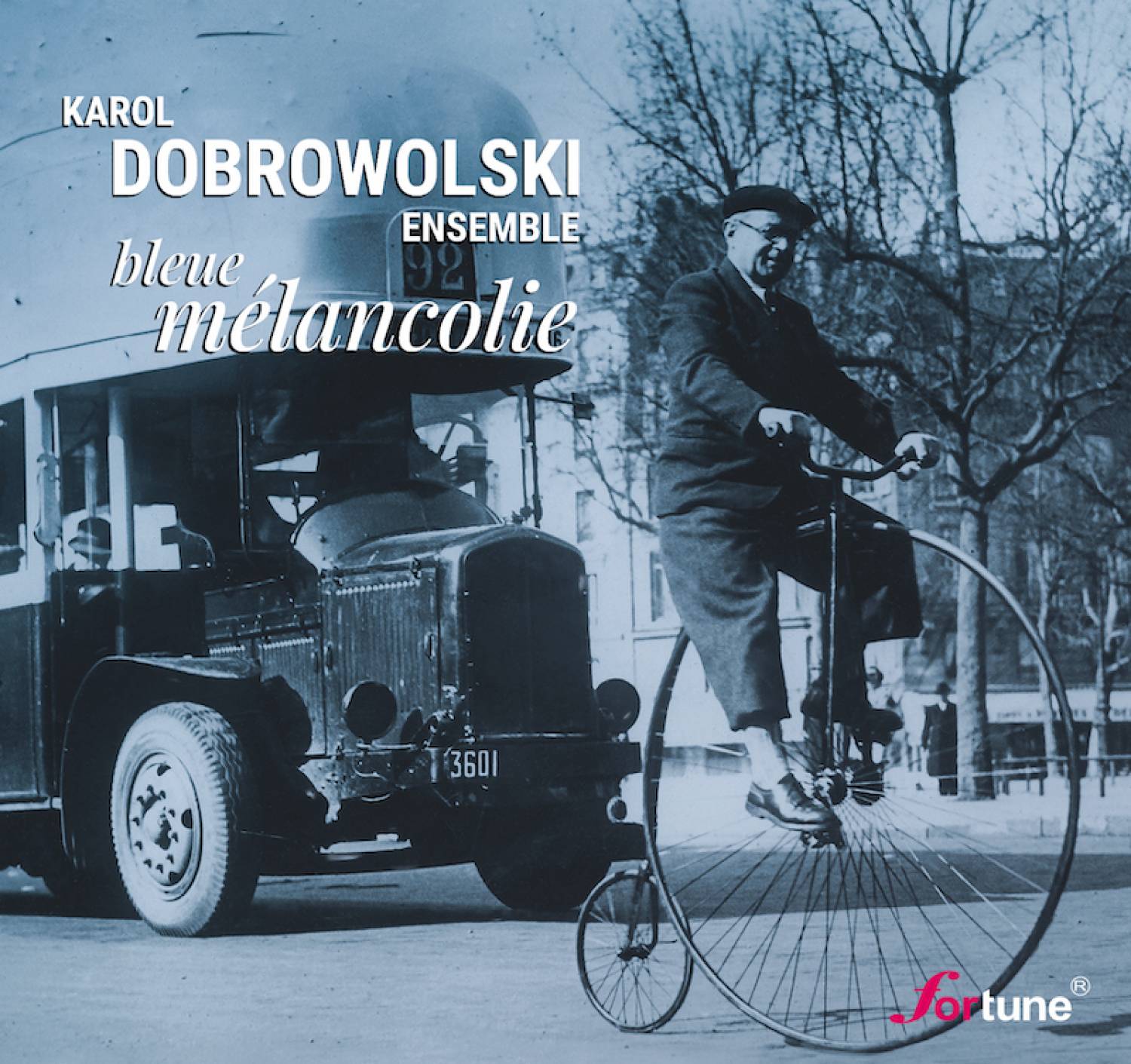
Karol Dobrowolski Ensemble - Blueue Melancolie (2022)

Karol Dobrowolski Ensemble

Karol Dobrowolski – skrzypce
Roby Lakatos – skrzypce [2, 3, 5, 7]
Alexis Cárdenas – skrzypce [2, 3, 7]
Piotr Sapieja – skrzypce [3, 5]
Raphaël Maillet – skrzypce [3, 4, 5, 6]
Giovanni Mirabassi – fortepian [4, 6, 8]
Hugues Duchesne – fortepian [1, 2, 3, 5]
Greg Zlap – harmonijka [4]
Borys Janczarski – saksofon tenorowy [1, 6]
Sébastien Gastine – kontrabass [1, 2, 3, 5, 6 ,8]
Nicolas Favrel – perkusja [1, 2, 3, 5, 6, 8]

Blue Melancolie (2022)

Wydawca: For Tune

Autor tekstu: Dominik Konieczny


Karol Dobrowolski, mimo że jest bardzo aktywnym muzykiem od wielu lat, to dopiero teraz miał okazję wydać autorski album. Bardzo się do tego zadania przygotował i w temacie wyboru kompozycji i muzyków, których zaprosił do nagrania.

Jest bardzo eklektycznie: podstawą zdecydowanie jest jazz, ale mamy całe spektrum nut i rytmów, od latino czy folku, przez muzykę filmową, po szeroko rozumianą muzykę współczesną.

Jest to bardzo mainstreamowa muzyka i to absolutnie nie jest zarzutem - nie jest ani nudna ani trywialna czy banalna. Jest bardzo otwarta, być może wbrew zamiarom i tytułom, jest także bardzo optymistyczna. Jakbyśmy poszli w motyw filmowy, to byłby to zdecydowanie film Woody Allena o Polskiej emigracji w latach 60’ w Paryżu. ¯\(ツ)/¯

Dla tych, którzy lubią skrzypce, skrzypiec i skrzypków jest w bród; skrzą się w szczególności skrzypce Roby Lakatosa i Alexisa Cárdenasa. "Tango el dios" na troje skrzypiec “saute” jest iście boskie - Frank Zappa, po współpracy z Jeanem Luc-Pontym wysnuł teorię, że skrzypce prowokują do popisywania się, do pewnej formalnej przesady i ja kupuję tę teorię - nawet jak nam się uda znaleźć skromnego skrzypka, to będzie to boska skromność wirtuoza. Takie jest intro do "Tango el dios", dotyka absolutu, a potem rozwija się tak, że nawet moje drewniane biodra w to tango idą.

Mamy kilka bardzo ładnych utworów, gdzie dobry temat przewodni i świetna sekcja, dają przestrzeń do solowych i wspólnych improwizacji, strzelistych kulminacji i szczęśliwego rozwiązania ("Petrucciana", "La valese blue melancolie"). Jeśli błąkają nam się stereotypy, to skrzypce wiążą się z pewną dozą szaleństwa i tego dostarczają "La promenade des montagnards" i "Ivresse slave". W "Apres le pluie" zaczyna się od snucia pomiędzy (zdecydowanie paryskimi) kałużami, ale potem przychodzi harmonijka ustna. Greg Zlap przypomina o nieziemskim potencjale tego niepozornego instrumentu.

Jest też piękna kompozycja "Choppinote", dedykowana mamie Karola Dobrowolskiego, w której prawdziwy popis daje Giovanni Mirabassi na pianinie. Całość zamyka, przenosząca mnie literalnie w lata sześćdziesiąte "Les empreintes polonaises a Paris".

Jest dobrze, każdy kto lubi skrzypce, jazz, petit Munstera i medoca odnajdzie się na tym albumie - gorąco i szczerze polecam.


środa, 19 czerwca 2013

Antykwintet – Antykwintet (Swinging Tricity Vol.3) (2012)

Leszek Kulakowski - piano
Antoni Sliwa - flute
Lech Wieleba - bass
Jozef Eliasz - drums
Marian Szarmach - drums
Mariusz Stopinski - trumpet
Piotr Sapieja - oercussion

SOLITON 231


By Adam Baruch


This is the third installment in the excellent archival series documenting Polish Jazz created in the country's Tricity on the Baltic Sea, one of the important centers where Polish Jazz thrives and over the years produced numerous first-rate musicians and superb bands. The series presents material, which in most cases never previously appeared in any form and therefore is of immense historic importance.

This chapter presents the Antykwintet ensemble, which was a relatively short lived quartet / quintet founded in 1978 and active for about four years, but unfortunately never managed to record even one album under their name, which sadly was the fate of many Polish Jazz artists during the Socialist regime. However they did participate three times (1978, 1979 & 1980) in the Jazz Nad Odra festival in Wroclaw, where all of the material on this album comes from.

Antykwintet was founded by pianist / composer Leszek Kulakowski and flautist Antoni Sliwa (who's siblings played with two other ensembles documented by this series: Baszta and Rama 111). The initial quartet also included bassist Lech Wieleba and drummer Jozef Eliasz. That quartet also included percussionist Piotr Sapieja as a guest musician. Later on the quartet was expanded to a quintet with the addition of trumpeter Mariusz Stopnicki and Eliasz was replaced by Marian Szarmach.

The music includes seven compositions, six of which are originals by Kulakowski and one is by American guitarist Barney Kessel, all recorded live as mentioned earlier. The sound quality is not great, but remastered it is certainly good enough to be enjoyed. The live setting allows for expanded treatments of the compositions, four of which are over ten minutes and one over seventeen minutes long. This means there are ample opportunities to hear long solos, mostly by the pianists (on both acoustic and electric piano) and the flautists. Since the flute is sadly rarely used as the front solo instrument in Jazz, this album should be greatly interesting to flute aficionados. The quintet with the trumpet / flute front line is also very unusual, almost unique in fact, which is another interesting aspect of this album.

The music is modern mainstream, not revolutionary but certainly interesting and quite innovative at the time. The live setting again allows for a lot of freedom, especially during the extended solos, which, assuming the ensemble would have continued together might have developed into more imaginative pastures, but alas we'll never know. In any case this is certainly worth revisiting some thirty plus years later.

This is another great piece of Polish Jazz history, which should definitely be told and preserved as part of the country's Cultural Heritage. Kudos to Marcin Jacobson for creating this series and keeping it going!

piątek, 9 listopada 2012

Swingujące Trójmiasto (Series) - Antykwintet (Soliton, 2012)

Antykwintet (band)

Józef Eliasz - drums (1-5)
Leszak Kułakowski -piano (1-7)
Mariusz Stopnicki - trumpet (6-7)
Marian Szarmach - drums (6-7)
Antoni Śliwa - flute (1-7)
Lech Wieleba - double bass (1-7)

guest: Piotr Sapieja - percussions (1-3)

Soliton 2012

By Maciej Nowotny

The jazz scene of Tricity (Gdańsk, Gdynia, Sopot) has been since decades one of the most important and arguably most creative in Poland. Unfortunately much of its output, especially prior to 1989, remains largely unreleased due to the aversion which the communist government held toward the artistic boheme of Tricity. Fortunately recently Marcin Jacobson of Soliton, a recording label based in Sopot, has ventured on filling this gap and started to release great music which still lay hidden in archives. He started with such a bands as Rama 111 and Baszta, presenting selections of their yet unrealesed music, both very good indeed. And now Antykwintet comes as third and it is no worse then its two predecessors, perhaps even the best of three!

Antykwintet was created in 1978 on initiative of Leszek Kułakowski (pianist, violinist) and Antoni Śliwa (flutist). Over time they were joined by Lech Wieleba (bassist) and Józef Eliasz (drummer). Soon after band was created they started in the most prestigious competition for young bands which tool place during festival Jazz Nad Odrą and became immediately recognized. During their first appearance Józef Eliasz won individual prize while in next year the band (with Marian Szarmach replacing Eliasz) won first prize with Kułakowski scooping another one for the best composition.

Such a promising beginning was not unfortunately continued since in next year the band disbanded. This was tragic time for Poland with inhuman martial law imposed by General Jaruzelski. Poland for years plunged in a deep recessian as much economically, culturally as in any other sense. Difficult to believe but not even a single recording was released by this band! How big loss for our music it was is testified by this album which upon rehearsal I may describe only as extraordinary! Brilliant in every sense: compositional, performance and spiritual. Music is coherent, accesisble and yet deep, authentic. Inspired by great bop combos it in original way incorporates in its languages also other influences: fusion, free jazz, Latin and pop music. Thanks to Marcin Jacobson and Soliton Antykwintet at least takes its rightful place in Polish Jazz history...

PS. This text is based upon certain data found in linear notes written by Marcin Jacobson.

Tracklist:
1.Stasinek (L.Kułakowski)
2.Zaduma Dziadka (L.Kułakowski)
3.Minor Mode (B.Kessel)
4.Prosto przed siebie (L.Kułakowski)
5.Gonitwa siódma (L.Kułakowski)
6.Music for R. (L.Kułakowski)
7.Reinkarnacja (L.Kułakowski)


Zobacz też: