Emil Miszk - trumpet
Kuba Więcek - alto saxophone
Piotr Chęcki - tenor saxophone
Paweł Niewiadomski - trombone
Szymon Burnos - piano
Michał Zienkowski - guitar
Konrad Żołnierek - bass
Sławek Koryzno - drums
This is the second album by
Polish Jazz trumpeter / composer / bandleader Emil Miszk and his octet called
Sonic Syndicate, which also includes saxophonists Piotr Chęcki and Kuba Więcek,
trombonist Paweł Niewiadomski, pianist Szymon Burnos, guitarist Michal
Zienkowski, bassist Konrad Żołnierek and drummer Sławomir Koryzno, same lineup
as on the debut. The album presents six original compositions, which strangely
are not credited on the album's artwork and are therefore assumed to be all by
the leader. The total playing time of the album is just below thirty-five
minutes, which is closer to an EP than a full album.
The brilliant debut album
released a couple of years earlier created enormously high expectations from
the sophomore release, which are almost impossible to be fulfilled. Considering
the fact that the music on this album is significantly different from that on its
predecessor, any attempt to compare the two is practically fruitless. Combined
with loosing the element of surprise, the resulting effect is somewhat less
exciting.
Nevertheless this is still
brilliant music, beautifully performed by some of the best young generation
Polish Jazz musicians. The compositions are complex and combine several melodic
and rhythmic themes within each of the pieces. They are all carefully designed,
ordered and planned, cerebral and refined, oriented towards the "big
sound" the octet is able to create, at times offering up-to-date Big Band
mannerisms.
There is no doubt that Miszk
and his Sonic Syndicate offer some of the cleverest music on the Polish Jazz
scene, which can eventually lead to some level of estrangement with the
audience. This album, as already mentioned, has a short playing time, but is so
intensive and demanding that perhaps any additional material might have been
simply over the top. Miszk obviously gives up almost completely his role as an
instrumentalist and is completely absorbed by his role of a composer and
arranger.
Overall this is a dazzling
piece of music, which concentrates on highly complex, sophisticated
compositions, which are difficult to follow but highly rewarding to advanced
Jazz listeners. The (almost) orchestral arrangements are devilishly tricky and must
have been a real challenge to perform and record, which makes me wonder if this
music is possible to be played live. In any case Miszk is surely an Artist to
be watched closely, as he obviously is just worming up.
Tomasz Chyła - violin
Piotr Chęcki - saxophone
Szymon Burnos - piano
Konrad Żołnierek - double bass
Sławomir Koryzno - drums
Live At Polish Radio 3
POLSKIE RADIO 2019
By Krzysztof Komorek
Drugi album zespołu Tomasza Chyły zatytułowany "Circlesongs" zasłużenie zebrał uznanie krytyki i uplasował się wysoko w podsumowaniach roku 2018. Elementem promocji nowego i co zgodnie podkreślano zaskakującego (acz w pozytywnym sensie) materiału były koncerty. Występ na radiowej scenie Polskiego Radia w siedzibie Trójki został zarejestrowany i niespełna rok po płycie studyjnej, udostępniony słuchaczom w formie cyfrowej.
Może to właśnie brak fizycznego nośnika sprawił, że koncertowa odsłona "Circlesongs" przeszła nieco bez echa. Dodam, że całkowicie niesłusznie. Biję się przy tym także we własne piersi, bowiem w wydawniczym szaleństwie końca poprzedniego roku "Live at Polish Radio 3" zwyczajnie zagubiła mi się pośród innych tytułów. Jednakże niewątpliwa wysoka jakość albumu powoduje, że warto do niego powrócić i zwrócić na niego baczniejszą uwagę.
Nie będę tutaj powtarzał peanów, które towarzyszyły wspomnianej na początku "Circlesongs". Zdumiewająca wolta, jaka dokonała się w stosunku do debiutanckiej płyty, oraz niesamowita dojrzałość materiału - te elementy nie zmieniły się ani na jotę. To dalej niezwykle mocna strona całości. Koncertowa wersja nie jest jednak "odegraniem" tego, co działo się w studiu. Sam charakter tej muzyki takową sytuację wyklucza.
"Circlesongs" zostały wyimprowizowane w studiu. "Live At Polish Radio 3", bazując na tych samych pomysłach, zabiera nas jednak w nieco inną podróż. Wyprawę do równoległego świata. Z pozoru identycznego, w którym jednak przy dokładnym przyjrzeniu się dostrzegamy odrębności. Muzyczna narracja płynnie przechodzi pomiędzy kolejnymi tytułowymi kręgami, w których znajdziemy delikatność, zadumę, niepokój, rozpierającą energię. Melodię i dynamiczne free. Jedynym prawdziwym odstępstwem od pierwowzoru jest finałowy "You Who Wrong", którego na studyjnej płycie zabrakło.
Jazz dla mnie osobiście najlepiej, najpełniej prezentuje się właśnie w wersji koncertowej. "Live At Polish Radio 3" to najlepszy przykład na potwierdzenie tej tezy. "Circlesongs" miało miejsce na jazzowym podium. Koncertowa płyta uniosła kwintet Tomasza Chyły ponad nie. Ku Olimpowi.
Emil Miszk – trąbka Kuba Więcek – saksofon altowy Piotr Chęcki – saksofon tenorowy Paweł Niewiadomski – puzon Michał Zienkowski – gitara Szymon Burnos – fortepian Konrad Żołnierek – kontrabas, gitara basowa Sławek Koryzno – perkusja
Emil Miszk, trębacz jazzowy młodego pokolenia, laureat Fryderyka 2019 w kategorii Jazzowy Debiut Roku, wraca z drugim albumem sygnowanym nazwą Emil Miszk And The Sonic Syndicate. Na "Artificial Stupidity" znalazło się sześć autorskich utworów, które swoją finezją, ale też lekkością, zauroczą zarówno miłośników jazzu, jak i tych, w których dopiero rodzi się uwielbienie do tego gatunku.
Emil Miszk And The Sonic Syndicate to oktet złożony z czołowych artystów młodego pokolenia w Polsce, którego liderem jest trębacz i kompozytor związany z trójmiejską sceną – Emil Miszk. Muzycy współtworzący zespół to wirtuozi swoich instrumentów, mający "supermoce", których nie boją się stosować podczas koncertów. Siłę formacji stanowi niespieszny charakter działań – "Idąc powoli, zajdziesz dalej". Wspaniali ludzie, z którymi spędzanie czasu sprawia ogromna radość. Każdy, mimo młodego wieku, jest doświadczonym artystą z ogromnym dorobkiem i potencjałem twórczym. Spotkanie tych ośmiu indywidualności na jednej scenie stanowi wyjątkowe wydarzenie, gdyż występ tego rodzaju ansambli to rzadko spotykane zjawisko. Pierwsza płyta zespołu, "Don’t Hesitate!", otrzymała nagrodę Akademii Fonograficznej Fryderyk 2019 w kategorii Jazzowy Debiut Roku.
This is the third album by young Polish Jazz ensemble Algorhythm, this time reduced to a quartet which includes trumpeter Emil Miszk, saxophonist Piotr Chęcki, keyboardist Szymon Burnos and drummer Sławomir Koryzno. It presents fourteen short compositions, which are not credited on the album's artwork and therefore assumed to be co-composed by all four members of the ensemble. In fact even the name of the ensemble is (almost) missing from the artwork.
The music and the ambience of
this album are radically different from their earlier work and moves almost
completely away from the traditional Jazz idiom into contemporary ambient/electronic
music, Avant Rock and Avant-Garde explorations. However, Jazzy improvisations, are
still an important ingredient of the music, and as such are an obvious link
with the past. This album must have taken the followers of the group and the
Polish Jazz scene by surprise, as it is both quite unexpected and stylistically
revolutionary.
In order to appreciate this
music properly one has to put aside the ensemble's earlier work and accept the
music for what it is rather than judging what it should/could have been,
which some "critics" graciously implied. Of course experimenting and
searching for new ways of expression is always welcome, even if it produces a
less appealing or immediately accepted result.
Obviously this music sets a
challenge in front of the listeners, who have to decide if they are willing to
follow the musicians on their new path or let this music pass them by. The
audiences are more often than not much more stagnant and conservative than the
music makers, which creates the commonly accepted reserved attitude towards
Avant-Garde, blaming the musicians for leaving the listeners behind, but it
fact it is the listeners who are lingering behind of their own choice.
Personally I find this album as
a bold and important experiment, which finds the ensemble in a transitory stage
between the established and safe musical environment and a new experimental
milieu, without actually quite making up their mind. The future will tell if
this was just a one time venture or a start of a new aesthetics which will be
further developed.
Whatever the future may hold
for them, Algorhythm deserve respect for daring to experiment and looking into
new forms of expression, threading the less travelled road. Their individual
ability as instrumentalists is already well established and now is the time to
forge their unique personal musical identities. May the Force be with you.
Gdzieś pomiędzy post-jazzem a psychodelicznym rockiem - tak swoją twórczość definiują muzycy grupy Nene Heroine, a w utworze "Prince" wyraźnie słychać, że wcale nie przesadzają. Grupę tworzą: Peter Stanley Chester, Michael Zismann, Simon Burns, Mike Bone, Bart Pugsley i Stan Corazon. Najnowszy singiel trójmiejskiej ekipy to zwiastun debiutanckiego albumu - "Total Panorama" - który ukaże się nakładem jednego z najprężniejszych wydawnictw jazzowych w Polsce, Alpaka Records (Algorhythm, Joanna Duda, Entropia Ensemble). Premierę zaplanowano na drugą połowę lipca.
Alpaka Records to nowe, niezależne wydawnictwo muzyczne z Gdańska, które na celu ma promowanie głównie lokalnej sceny improwizowano-alternatywnej, ale nie tylko.
Kwartet Algorhythm to aktualnie jeden z najważniejszych młodych zespołów wywodzących się z Trójmiasta, obok tych prowadzonych przez Tomasza Chyłę i Kamila Piotrowicza – i pewnie należy on do najciekawszych składów pokolenia dwudziestolatków w Polsce w ogóle. Na dwóch pierwszych albumach grupa dała się poznać jako sprawny, jazzowy kolektyw. Na debiutanckim "Segments" realizowali raczej typowy akustyczny mainstream; wykonany wprawdzie z werwą, ale bez zaskoczeń. Potem muzycy wydali płytę "Mandala", gdzie rozwinęli formułę swej gry: poszerzyli instrumentarium o perkusjonalia, porozrzucali pośród bardzo dobrych kompozycji nieco abstrakcji, w większym stopniu niż na "Segments" zabawili się formą i przestrzenią. Do tego stopnia te odświeżające zabiegi się powiodły, że płyta znalazła się w 2018 roku w gronie nominowanych do Fryderyka w kategorii Album Roku.
Trzeci, wydany niedawno, krążek pt. "Termomix" przynosi jeszcze więcej nowości. Przede wszystkim zmienił się skład grupy – odszedł z niego kontrabasista Krzysztof Słomkowski. W rezultacie muzycy Algorhythmu stanęli przed wyborem: albo szukać nowego członka zespołu, albo własnymi siłami zastąpić brakujący niski rejestr. Wybrali to ostatnie rozwiązanie i w efekcie akustyczny dotychczas skład stał się elektryczną machiną z prawdziwego zdarzenia: pianista Szymon Burnos gra m.in. na Moogu i Rhodesie, trębacz Emil Miszk i saksofonista Piotr Chęcki wykorzystują elektronikę, natomiast praca perkusisty Sławka Koryzno urozmaicona jest przez rytmizujące sample i przeszkadzajki.
W parze ze wzbogaconym instrumentarium i całkowicie zmienionym soundem grupy idzie nowa koncepcja budowania utworów. Album powstał bowiem nie tyle podczas sesji w gdańskim studiu Maska, co w trakcie późniejszego montowania zarejestrowanego materiału z głosowymi samplami, zapętlania go w loopy i dodawania nowych elementów. Już dzięki tym działaniom zrodziła się płyta, której słucha się z dużym zainteresowaniem – opracowany kolaż jest wydarzeniem pod względem technicznym i produkcyjnym.
Satysfakcja z "Termomixu" nie ogranicza się jednak do zaciekawienia formą. Algorhythm wciąż pisze świetne kompozycje – do niewątpliwych przebojów albumu należą "Baba Ganoush" (!), "Hakula Chakula", "Mario" i "Transgroove" – ale teraz zespół czyni je jeszcze bardziej atrakcyjnymi, zanurzając w sosie rewelacyjnych pomysłów brzmieniowych. Tym samym udaje im się połączyć jazzowe wyrafinowanie aranżacji oraz to, co wynika z ich solidnego muzycznego wykształcenia, z ultranowoczesną i bardzo efektowną zabawą w elektronikę, ambient, world music czy drum'n'bass. Artyści nie wyrzekają się też improwizacji, które przybierają nieraz formę soczystych solówek, a czasem błądzących, fragmentarycznych wypowiedzi, które znakomicie kontrapunktują chwytliwe i rytmiczne całości.
Jest wreszcie "Termomix" interesujący jako swego rodzaju album konceptualny. Tytuł był zainspirowany nazwą wielofunkcyjnego urządzenia kuchennego i sposób, w jaki Algorhythm "gotuje" muzykę, koresponduje z ową wielofunkcyjnością. Wielość brzmieniowych składników zgrabnie łączy się z kulinarnymi nazwami utworów: po ich przetłumaczeniu otrzymujemy na przykład "Suitę przystawkową", "Skórkę cytrynową" albo "Pieprzową zupę". Kulinarną tematykę dopełnia treść sampli, wziętych z internetowych filmów zawierających instrukcję obsługi termomiksu bądź kuchenne przepisy. Nieraz wywoła to na twarzy uśmiech, ale na pierwszym miejscu stoi tu bez wątpienia muzyka, a nie zgrywa.
Reprezentant polskiej myśli kompozytorskiej, w której wyraźne wpływy technik charakterystycznych dla języka Lutosławskiego czy Pendereckiego syntetyzują z muzyczną erudycją i kontrabasową wirtuozerią. Garbowski zasłuchany w muzyce XX wiecznych twórców eksploruje zagadnienie melodyki i harmoniki, wplatając w nią słowiański liryzm i autorski charakter przepełniony wrażliwością i subtelnością. Współzałożyciel jednego z najważniejszych i najbardziej utytułowanych triów fortepianowych - RGG. Inicjator IMP (International Musical Project) – platformy muzycznej i wydawniczej, której działania obejmują nie tylko jazz, ale także muzykę improwizowaną oraz obszary na styku muzycznych dziedzin. Jest również członkiem międzynarodowych platform twórczych Jazz Plays Europe oraz Take Five Europe. Zainicjował międzynarodowy muzyczny projekt Lutosławski Collective, do którego zaprosił takie sławy jak śpiewaczkę Lenę Willemark czy kontrabasistę Andersa Jormina. W latach 2002-2005 był stałym członkiem słynnej orkiestry kameralnej AUKSO prowadzonej przez Marka Mosia. W 2004 roku ukończył wydział jazzowy, a rok później wydział klasyczny Akademii Muzycznej w Katowicach w klasie kontrabasu. Od prawie dekady sam jest nauczycielem w Instytucie Jazzu i Muzyki Rozrywkowej w Katowicach.
Płyty wydane w 2018 roku:
RGG/Verneri Pohjola/Samuel Blaser - City Of Gardens
RGG & Trevor Watts - RAFA
Anna Gadt Quartet feat. Annemie Osborne - Mysterium Lunae
Pohjola/Garbowski/Gradziuk - Gemstones
Garbowski/Cruz/Orins - Lines Of Flux
Piotr Schmidt Quartet - Saxesful
Piotr Schmidt Quartet feat. Wojciech Niedziela - Tribute To Tomasz Stańko
DEBIUT ROKU 2018: EMIL MISZK AND THE SONIC SYNDICATE - DON'T HESITATE!
Emil Miszk And The Sonic Syndicate to oktet złożony z czołowych artystów młodego pokolenia w Polsce, którego liderem jest trębacz i kompozytor związany z trójmiejską sceną - Emil Miszk. Muzycy współtworzący zespół to wirtuozi swoich instrumentów lecz przede wszystkim wspaniali ludzie, z którymi spędzanie czasu sprawia ogromną radość. Każdy, mimo młodego wieku, jest doświadczonym artystą z ogromnym dorobkiem i potencjałem twórczym. Spotkanie tych indywidualności na jednej scenie stanowi wyjątkowe wydarzenie, gdyż występ tege rodzaju ansambli to rzadko spotykane zjawisko. Materiał zarejestrowany na płycie "Don't Hesitate!" to podsumowanie dotychczasowych dokonań trójmiejskiego twórcy. Bez tego albumu, jego przemiana w postrzeganiu muzyki i wykonywaniu jej nie mogłaby się w pełni urzeczywistnić.
REEDYCJA/NAGRANIE ARCHIWALNE 2018 ROKU: JERZY MILIAN - CIRCULATIONS
Dokumentacja jednego z najbardziej kolorowych epizodów w twórczości Jerzego Miliana – historia współpracy z belgijskimi radiem, dla którego napisał szereg rozbudowanych, ambitnych form, daleko wykraczających poza jazz. A wszystko w czasie, gdy równie intensywnie pielęgnował gorące, swingujące rytmy z orkiestrą Gustava Broma, prowadził nowoczesne wibrafonowe trio i nagrywał muzykę rozrywkową w poznańskiej rozgłośni Polskiego Radia. "Circulations" to siódma część serii "Jerzy Milian Tapes". Sześć rozbudowanych form napisanych i nagranych przez BRT w latach 1966-69 ukazało się na płycie po raz pierwszy. Wydanie uzupełnia książeczka z niepublikowanymi zdjęciami i szkicem na temat współpracy z Belgami.
This is the second album by young Polish Jazz violinist/composer Tomasz Chyła, recorded with his quintet which also includes saxophonist Piotr Chęcki, pianist Szymon Burnos (also in charge of the electronic effects), bassist Krzysztof Słomkowski and drummer Sławomir Koryzno. The album presents fifteen relatively short original compositions, all of which were collectively composed by the quintet members, grouped into three "circlesongs".
In complete contrast to the
debut album, the music on this album is a cosmic jump into Avant-garde, Free
Jazz and Improvised Music, which comes as an overwhelming and complete
surprise. One can expect development and progression, sometimes gradual and in
other cases quite rapid, but taking such a dramatic and drastic step, like in
this case, is almost unheard off.
As a result the music almost
completely shuns any effort to be described. "Making love via
telephone" comes to mind in this case, as words are simply inadequate to
express the essence of this music, surely not adequately. So what can be said?
There is almost no melody, at most short bursts of a few consecutive notes, no
steady rhythm, but rather drone like passages, little dynamics and no soloing
in the traditional sense. At times the music sounds like contemporary
minimalist music, at others like Free Jazz group improvisation, and yet at
others like Avant-garde soundscapes of cinematic or theatre music.
But enough of trying to
describe the music; which is an a priori futile attempt anyway. The most
important thing is that this innovative and courageous approach works out
amazingly well and the music is simply astounding. It manages to drown in the
listener completely and entangle his attention like a spider's web. The
continuity and constant development creates a natural flow, which when
succumbed to, takes the listener on a phantasmagorical journey into the
unknown. Listening to the music for the first time is a shocking experience but
consecutive listening sessions have the power of addiction.
It makes no sense to write
about the individual contributions by the quintet members, as this album is a
classic team effort. My praise goes to the leader, who keeps his playing on the
same level, and perhaps even more modest, that his cohorts, which in this case
is the most sensible decision. These players have already proved their chops on
numerous other recordings, and this music is all about unison.
It is not often that a new
genre/idiom/form is created in music, especially so in Jazz (in its broad
meaning), but this album definitely is an eye (ears) opener in many aspects.
Many of the elements used here have been tried out earlier on, but placing them
together in this specific climate, order and context is completely innovative,
even for the Polish Jazz scene, which bursts with innovation. One can not
predict the future of course, but this album is definitely a Giant Step as far
as Polish/European Jazz are concerned and only future will tell of its
influence on the genre. It epitomizes everything that European Jazz stands for:
innovation, inventiveness, boldness, open-mindedness, elegance and beyond all
musical aesthetics, which exists only in Europe.
To put things boldly: this is a
fucking great album (excuse my French) and you better believe it! As far as I am concerned, this
album is already the winner of the best Polish Jazz album for 2018 and it will
take a miracle to change my mind. I am not so sure if the usual bunch of Polish
Jazz "critics" will be able to swallow this music so easily, but who
gives a damn. Hopefully they will, as usual, follow my lead, even when they
hate the music.
Emil Miszk - trumpet
Piotr Chęcki - tenor saxophone
Kuba Więcek - alto saxophone
Paweł Niewiadomski - trombone
Szymon Burnos - piano
Michał Zienkowski - guitar
Konrad Żołnierek - bass
Sławomir Koryzno - drums
This is the debut album as a
leader by young and upcoming Polish Jazz trumpeter/composer Emil Miszk, who
has made a significant mark on the local scene lately. On this album he leads
an impressive octet, called Sonic Syndicate, which also includes saxophonists
Piotr Chęcki and Kuba Więcek, trombonist Paweł Niewiadomski, guitarist Michał Zienkowski, pianist Szymon Burnos, bassist Konrad Żołnierek and drummer
Sławomir Koryzno. The album presents seven original compositions, all by the
leader.
The stunning music consists of
some of the most original Jazz compositions I have heard in many years. Miszk
uses brilliantly the power of the octet, which has almost the strength and
possibilities of a Big Band/Orchestral scale, to express his complex, suite
like compositions, which are all multilayered, with twisted melody lines and
constant tempi changes, but which in spite of their devilishly clever intricacy
sound completely coherent and complete. The music moves between melodic
statements of the composed themes and almost Free Form mini-improvised
passages, presenting a fresh and invigorating approach to Jazz composition,
which is simply phenomenal. At times the music ventures into the Brass Rock
approach, fondly remembered from the work of ensembles like Chicago and Chase
(and many more), but of course is completely brought up to date and modernized.
All the members of the octet
are of course radiant instrumentalists, who are able to execute the convoluted
and challenging twists and turns of the music spotlessly. The music calls
mostly for an ensemble/orchestral sound and presentation, which means that
individual soloing, is not the focus of this music, but rather creating sound
vistas that require discipline and collaboration by all the participants; which
of course does not exclude some blood-curdling solo work by the leader and
others and surprising Rocky guitar statements by Zienkowski.
This music is also the epitome
of European Jazz, being completely open to all musical styles and influences,
managing to amalgamate them in a perfect way. There is a lot of tradition here,
some conscious and some subconscious, but absolutely no stagnation or
repetition. This is exactly what European Jazz aesthetics is all about –
experiment and elegance, good taste and talent. This kind of music can probably
only be made in Poland.
Any attempt to describe this
beautiful piece of music is of course completely futile and does not replace
the experience of listening to it, which of course I absolutely recommend. It
is very rare that a debut album of this magnitude appears and usually it
happens only once or twice in a given year, and for 2018 this is definitely it.
Absolutely not to be missed!
Emil Miszk - trumpet
Kuba Więcek - alto saxophone
Piotr Chęcki - tenor saxophone
Paweł Niewiadomski - trombone
Michał Zienkowski - guitar
Szymon Burnos - piano
Konrad Żołnierek - bass
Sławomir Koryzno - drums
Don't Hesitate!
W dniu 17.03.2018 r., podczas kolejnej edycji Festiwalu Jazz Jantar, będzie miała miejsce koncertowa premiera nowej płyty z wytwórni Alpaka Records.
Emil Miszk And The Sonic Syndicate to oktet złożony z czołowych artystów młodego pokolenia w Polsce, którego liderem jest trębacz i kompozytor związany z trójmiejską sceną - Emil Miszk. Muzycy współtworzący zespół to wirtuozi swoich instrumentów lecz przede wszystkim wspaniali ludzie, z którymi spędzanie czasu sprawia ogromną radość. Każdy, mimo młodego wieku, jest doświadczonym artystą z ogromnym dorobkiem i potencjałem twórczym. Spotkanie tych indywidualności na jednej scenie stanowi wyjątkowe wydarzenie, gdyż występ tege rodzaju ansambli to rzadko spotykane zjawisko.
Materiał zarejestrowany na płycie "Don't Hesitate!" to podsumowanie dotychczasowych dokonań trójmiejskiego twórcy. Bez tego albumu, jego przemiana w postrzeganiu muzyki i wykonywaniu jej nie mogłaby się w pełni urzeczywistnić.
Kolejna, jesienna trasa koncertowa trójmiejskiego kwintetu rozpoczęła się 19 października br. Formacja rozpoczyna mini europejską trasę od występu podczas festiwalu Jazz.hr w Zagrzebiu. Kolejny występ w Czechach, 21 października w Ostrawie w Pjetka Music Club.
Koncerty w Polsce odbędą się również:
05.11.2017 Lublin, Centrum Kultury 10.11.2017 Sopot, Hotel Sopot, Teatr Atelier 16.11.2017 Słupsk, Komeda Jazz Festiwal 18.11.2017 Gorzów Wielkopolski, Pod Filarami 20.11.2017 Kościerzyna, Sala Widowiskowa im. L. Szopińskiego 21.11.2017 Warszawa, Prom Kultury, Saska Kępa 23.11.2017 Częstochowa, Słodko-Gorzki 25.11.2017 Poznań, Klub Dragon 27.11.2017 Wrocław, Stary Klasztor 28.11.2017 Katowice, Sala Kameralna NOSPR
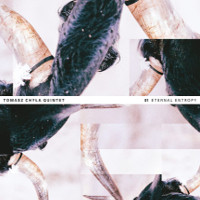
Tomasz Chyła Quintet to trójmiejska formacja jazzowa. W grudniu ubiegłego roku wygrali 40. jubileuszowy Festiwal Młodych Zespołów Jazzowych "Jazz Juniors" w Krakowie. Jedną z nagród było wydanie płyty we współpracy z Agencją Muzyczną Polskiego Radia. Płyta zespołu "Eternal Entropy” została wydana również we współpracy z Narodowym Instytutem Audiowizualnym. Do tej pory zagrali wiele koncertów na terenie całej Polski, brali udział w festiwalach jazzowych m. in. Jazz Wolności w Sopocie, Letni Festiwal Jazzowy w Krakowie.
Liderem zespołu jest skrzypek Tomasz Chyła. Młodzi muzycy z TCQ odwołują się do mainstreamowego jazzu, ale jest to muzyka podszyta młodzieńczą energią i werwą. Materiał na "Eternal Entropy" zachwyca lekkością, a jednocześnie szlachetnym rysem kompozycji. Zespół gra czujnie i błyskotliwie, a zaaranżowane kompozycje momentami zahaczając o folk. Kwintet pozwala się ponieść w rejony szerokiej improwizacji oraz pokazuje młodzieńczą buńczuczność. To muzyka wyrazista, zagrana przez artystów, którzy doskonale poruszają się po szerokim spektrum stylistyki jazzowej. Potrafią zabrzmieć romantycznie, ale jednocześnie treściwie i dobitnie, podkreślając swój charakter. A jeśli spojrzeć na tytuł debiutanckiego albumu - "Eternal Entropy" - to określenie stopnia nieuporządkowania stanu należy rozumieć wyłącznie jako wciąż ewoluujący, zbierający różne inspiracje i otwarty na pomysły zespół.
This is the debut album by Polish Jazz violinist/composer Tomasz Chyła, recorded in a quintet setting with saxophonist Piotr Chęcki, keyboardist Szymon Burnos, bassist Krzysztof Słomkowski and drummer Sławomir Koryzno. These four players are also members of the quintet called Algorhythm. The album presents nine original compositions, three of which were composed by Chyła, three were co-composed by him and other members of the quintet, one was co-composed by him and his teacher at the Gdansk Music Academy Witosława Frankowska and two were composed by Słomkowski.
The music is mostly modern
mainstream Jazz, but allows a lot of freedom to the quintet members to spread
their wings. The melodic themes are very solid, mostly lyrical, with strong
ties to Polish Folklore and typical Polish melancholy, felt even on the
up-tempo numbers. The level of the compositions is surprisingly mature and
coherent for such young musicians/composers, and again emphasizes the
incredible strength of the young Polish Jazz scene.
All three soloists play
some amazing solo parts on this album and the rhythm section manages to support
them amicably all the way through. Słomkowski deserves special mention as his
bass pulsations are a stronghold of stability on which this entire music rests.
Koryzno also plays exceptionally well, proving that drumming can be creative
and atypical and at the same time fulfill the role assigned to the instrument.
All five musicians are superb
instrumentalists and they perform the music with passion and obvious mixture of
talent and professionalism. Chyła has a surprisingly original tone and
stylistic approach, quite different form other violinists active on the Polish
violin scene. His playing is much closer to Polish Folklore than to classical
music, which is usually the starting point for violinists and he is more open
to less constrained improvisation, which at time borders with Free. He is
definitely the most interesting new arrival on the crowded Polish Jazz violin scene,
and a most welcome one due to his divergence. Overall this is an outstanding
debut offer, one of the strongest on the Polish Jazz scene so far this year.
The creativity and inventiveness of these young musicians simply never ceases
to amaze. Hats off!
Tomasz Chyła - violin
Piotr Chęcki - saxophone
Szymon Burnos - piano, electronics
Krzysztof Słomkowski - double bass
Sławomir Koryzno - drums
Eternal Entropy
PR CD 2033
W dniu 27.04.2017 r., podczas festiwalu Jazz Nad Odrą we Wrocławiu, miała miejsce koncertowa premiera debiutanckiej płyty kwintetu skrzypka Tomasza Chyły zatytułowana "Eternal Entropy". W maju formacja zaplanowała trasę promującą album. Wydawcą albumu jest Agencja Muzyczna Polskiego Radia.
27.04 - Wrocław - Jazz Nad Odrą
05.05 - Bielsko-Biała, Aquarium
06.05 - Kraków, Harris Piano Jazz Bar
07.05 - Kielce - Czerwony Fortepian
08.05 - Warszawa - Nowy Świat Muzyki
09.05 - Warszawa - Studio im. Agnieszki Osieckiej
10.05 - Sopot - Teatr BOTO
31.05 - Elbląg - Mjazzga
18.06 - Sopot - Muszla Koncertowa
28.07 - Kraków - Letni Festiwal Jazzowy
Tomasz Chyła Quintet to trójmiejski zespół, który świetnie obrazuje, że młoda scena jazzowa w Polsce rośnie w siłę. To doskonale doprecyzowana wizja muzyki, jaką ma lider tego zespołu, skrzypek Tomasz Chyła, który do współpracy zaprosił znakomitych muzyków. Jego pozornie niepasujący do jazzu instrument błyskotliwie funkcjonuje w symbiozie z resztą członków zespołu, którzy prężnie budują i rozwijają trójmiejską scenę w takich składach jak Algorhythm, Kamil Piotrowicz Quintet, Inner Out czy Jerzy Małek Group. Skrzypce frapująco dialogują z saksofonem Piotra Chęckiego i fortepianem Szymona Burnosa, a mocne podstawy utworów zapewnia sekcja rytmiczna kontrabasisty Krzysztofa Słomkowskiego i perkusisty Sławomira Koryzno. Muzycy pokazują nowe oblicze, naznaczone muzyczną charyzmą lidera, zafascynowanego postacią jazzowego skrzypka Zbigniewa Seiferta. Największym dotychczasowym osiągnięciem zespołu było zdobycie Grand Prix na 40. Festiwalu Jazz Juniors w Krakowie w 2016 roku.
Tomasz Chyła Quintet odwołuje się do mainstreamowego jazzu, ale jest to muzyka podszyta młodzieńczą energią i werwą. Materiał na "Eternal Entropy" zachwyca lekkością, a jednocześnie szlachetnym rysem kompozycji. Zespół gra czujnie i błyskotliwie, momentami zahaczając o folk. Kwintet pozwala się ponieść w rejony szerokiej improwizacji oraz pokazuje młodzieńczą buńczuczność. To muzyka wyrazista, zagrana przez artystów, którzy doskonale poruszają się po szerokim spektrum stylistyki jazzowej. Potrafią zabrzmieć romantycznie, ale jednocześnie treściwie i dobitnie podkreślając swój charakter. A jeśli spojrzeć na tytuł debiutanckiego albumu, to określenie stopnia nieuporządkowania stanu należy rozumieć wyłącznie jako wciąż ewoluujący, zbierający różne inspiracje i otwarty na pomysły zespół.
This is the second album by Polish Jazz quintet Algorhythm, which comprises of trumpeter Emil Miszk, saxophonist Piotr Chęcki, pianist Szymon Burnos, bassist Krzysztof Słomkowski and drummer Sławomir Koryzno. The album presents eleven original compositions, three each by Miszk and Burnos, two co-credited to them both and three short (not-credited) pieces.
The music on this album is a
significant step forward in comparison to what the quintet offered on their
already quite excellent debut. It is much more complex, diverse and ambitious
and includes many twists and turns, polyrhythmic layers, odd meters and
multifaceted dynamics within each composition. Some World Music influences are
also present. Therefore, again in comparison to their straight ahead debut
album, this one is a whole new game.
The performances are also more
energetic and focused, with the entire crew taking part in the proceedings,
contribution and supporting each other vigorously. The teamwork on these
difficult pieces it truly wonderful. The overall sound of the quintet is very
contemporary and sparkling with talent and oomph, placing Algorhythm on the
list of Polish Jazz ensembles, which deserve to be closely watched and which
are definitely very promising in their quest to better themselves.
This is European Jazz at its
best, bursting with talent, ideas and courage to explore rather than imitate,
which of curse is what great music is all about. It makes me very happy to see
the quintet to make such a giant step forward and I hope to catch them on stage
soon. In the meantime hats off!
This is the debut album by the young Polish Jazz quintet Algorhythm, which comprises of trumpeter Emil Miszk, saxophonist Piotr Chęcki, pianist Szymon Burnos, bassist Krzysztof Słomkowski and drummer Sławomir Koryzno. It presents seven original compositions, five by Burnos and two by Miszk.
The classic Jazz quintet
setting and the music are all well within the mainstream Jazz tradition, presenting
modern, vital and interesting European version of the standard Jazz idiom, as
usual drenched in the Polish lyricism and melancholy, which characterizes
Polish Jazz. The compositions are well rounded and definitely non-trivial, with
many odd rhythmic patterns; with altogether create an interesting listening
experience. Personally I think the two compositions by Miszk are the best on
the album, but the ones by Burnos do not fall far behind. The dynamic
development and atmosphere of these pieces is quite remarkable.
All three soloists perform splendidly
and play several impressive passages and the rhythm section does a superb job
supporting them all the way through, handling the complex rhythms elegantly and
flawlessly. Again Chęcki seems to be the most impressive soloist on this album,
but his colleagues are all gifted musicians and in time are sure to join the
ranks of top Polish Jazz players.
This is definitely an impressive
debut, which deserves praise and support and as always makes me wonder how such
young people are able to produce such mature and well developed music. Well
done indeed!
This is an excellent debut album by the young Polish Jazz sextet called Sekstant and originating form the Baltic Tricity, founded and led by saxophonists Łukasz Juźko and including saxophonist Piotr Chęcki, trumpeter Dawid Lipka, pianist Szymon Burnos, bassist Maciej Sadowski and drummer Tomasz Koper. The album comprises of seven original compositions, two of which (the opening and closing tracks) are improvised pieces, three are composed by Juzko and one each by Sadowski and Koper.
As usual with the young Polish
Jazz ensembles the music crosses all possible boundaries and is almost
impossible to be neatly categorized. On top of the obvious Jazz tradition there
are traces of Rock and even Punk (especially in the somewhat hassle-free
attitude), Free Jazz and even Improvised Music excursions and many other
elements, which of course make this music fascinating and unpredictable. The
usage of electric piano and the brass arrangement on certain pieces take the
ensemble close to Jazz-Rock Fusion, but then electronics and Ambient elements
remind the listener that this is 21st Century and music is
constantly changing and expanding its idioms. Underlying these stylistic explorations,
the compositions present solid melodic themes, which are all quite impressive.
Both the individual abilities
of these players and their collective cooperation are very impressive. As usual
it's hard to believe that these are such young players only starting their
musical life's journey. The open-mindedness and personal courage to explore
non-trivial music and eschew mediocrity are truly admirable.
I eagerly anticipate the next
step on this ensemble's path, which in view of this promising debut could be
even more thrilling. In the meantime this is a true little gem, which should
give Jazz connoisseurs a most pleasurable listening experience. Well done!
Piotr Chęcki - sax
Maciej Milewski - guitar
Szymon Burnos - rhodes
Krzysztof Słomkowski - bass
Sławek Koryzno - drums
The Bird's Reflection EP (2013)
(Editor) This is just an EP of students of well-known Gdańsk Music Academy. As title suggests it is the homage paid to golden era of jazz. What strikes me in playing of these lads is the beauty of sound they were capable to produce. Though young they have a good feeling for rhythm, can spin attractive melodies and cooperate smoothly. That augurs well for future and I am going to follow how they will develop in years to come. Good luck!